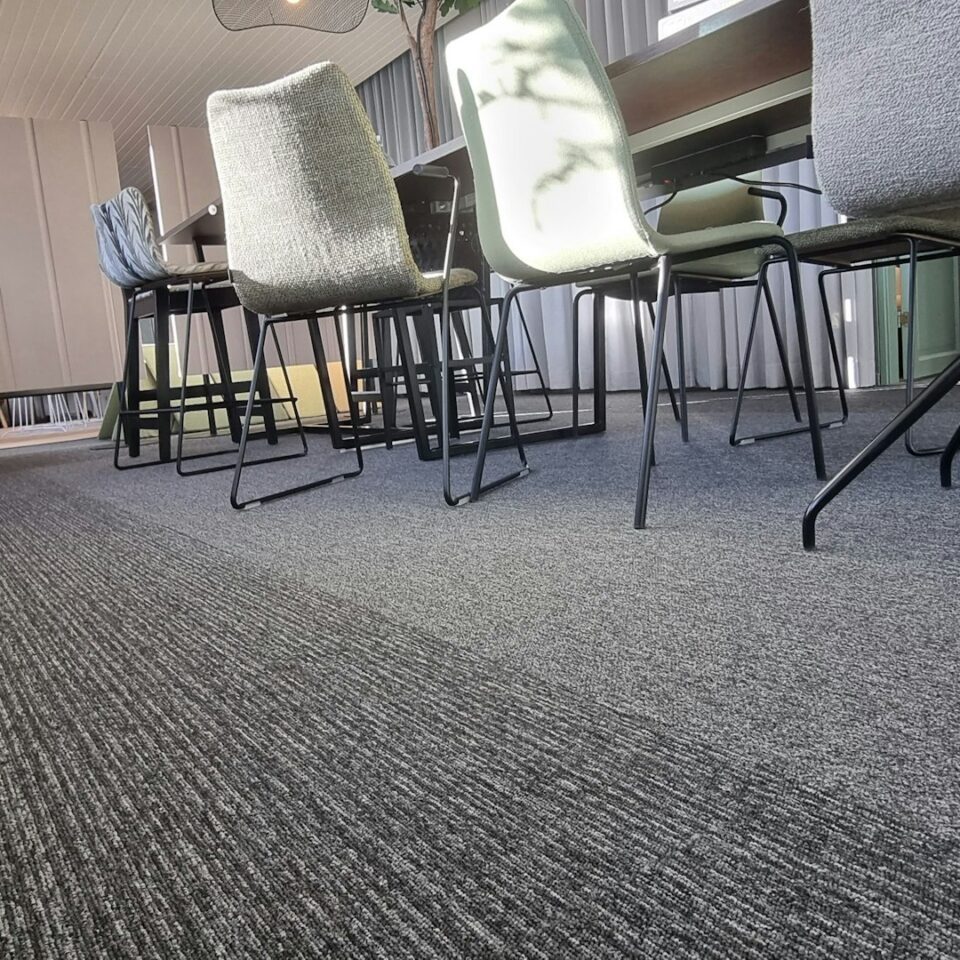
Carpet tiles
Nylon, solution-dyed nylon or polypropylene pile on a stable backing
Carpets & Rugs
Wall-to-wall wool carpet: pile types, blends, underlay, installation and indicative Singapore prices.
Wool carpet is the quietest, warmest floor you can fit wall to wall. It resists crushing, hides everyday soil better than most synthetics, and in Singapore’s climate it takes up and releases moisture without feeling damp. It costs more than nylon or polypropylene, and it needs more careful cleaning. In bedrooms, media rooms, studies and hotel corridors, those costs are usually worth paying.
The drawbacks are cost, some shedding in the first months, and a weakness to bleach and strong alkaline cleaners. Wool is also attractive to moths in rooms that stay dark and undisturbed.
The loops are cut so the yarn ends face upwards. A smooth, velvet-like cut pile looks formal and shows footprints. A twisted cut pile hides them better and suits family bedrooms.
The loops are left uncut, which gives a firm, textured surface that wears well in corridors. Loops can snag on pet claws and on the castors of chairs.
Mixing the two creates a subtle pattern in a single colour. It is useful in hotel corridors and suites where a plain carpet would show every mark.
| Option | Feel | Wear and stains | Where it fits |
|---|---|---|---|
| 100% wool | Warm, matte and dense | Resilient; needs prompt blotting of spills | Bedrooms, studies, suites |
| Wool rich (wool with some nylon) | Close to pure wool | Nylon adds abrasion resistance | Family homes, busier rooms |
| Nylon | Soft, slight sheen | Hard-wearing and easier to clean | Offices, rentals, hotel corridors |
| Polypropylene | Firmer, can feel waxy | Resists moisture and bleach; crushes over time | Utility rooms, budget projects |
For loose rugs in the same fibre, see our page on wool rugs.
Residential broadloom is usually laid over underlay and held at the edges with gripper strips. In commercial work it is often glued directly to the floor instead. The underlay matters as much as the carpet. It sets the comfort, the footfall noise and how long the pile lasts.
Keneki plans the layout and seam positions. Our partner installers measure, supply and fit.
We could not find a neutral published Singapore price guide for wool carpet, so we explain the cost drivers instead. Price follows fibre content (pure wool or a wool blend), construction (tufted, woven or hand-tufted), pile weight, underlay (including acoustic underlay where the MCST requires it), room shape and wastage. Wool generally costs more than synthetic carpet.
Prices vary with size, specification and site conditions, so ask for an itemised quotation. Floor preparation, stair work and furniture moving are usually extra.
In hotel guest floors, wool or wool-rich broadloom is a familiar choice. Our hospitality studio specifies it with operators’ cleaning regimes in mind. Return to the rugs and carpets guide to compare options, or arrange a consultation to plan a room.
Yes, in bedrooms, studies and media rooms that are air-conditioned for part of the day. Wool handles humidity well. Avoid it in rooms that stay damp or open to the weather.
Any carpet can hold dust, and humid air favours mites. Regular vacuuming, air-conditioning and periodic professional cleaning keep this under control.
Use a dense underlay matched to the carpet and the room’s traffic. In condominiums, check whether your MCST specifies an acoustic underlay.
That depends on the quality, the underlay and the traffic. A well-made wool carpet on good underlay, cleaned properly, keeps its appearance for many years.

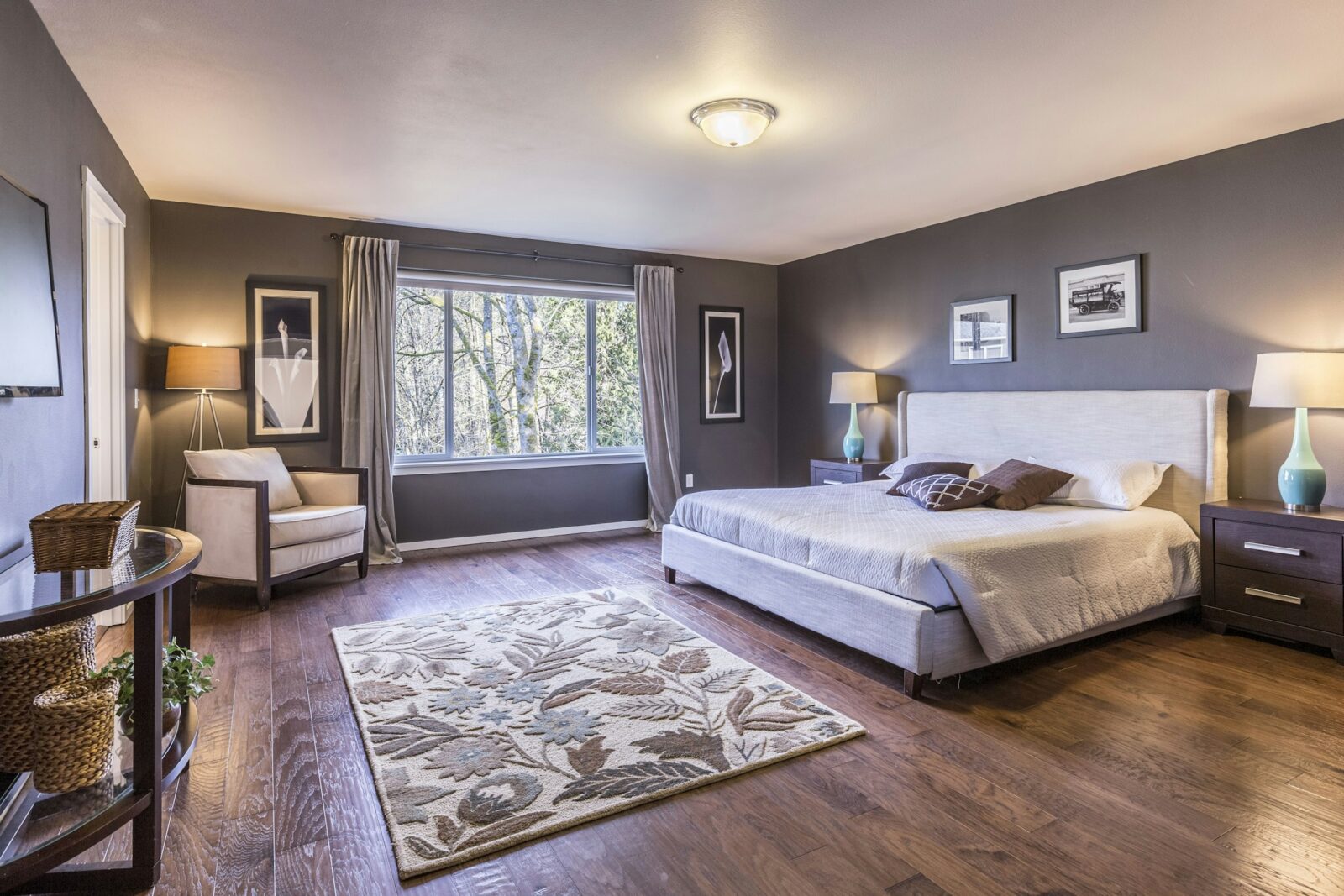
Nylon, solution-dyed nylon or polypropylene pile on a stable backing

Made to order in wool, silk or blends; knotted, tufted or flatwoven

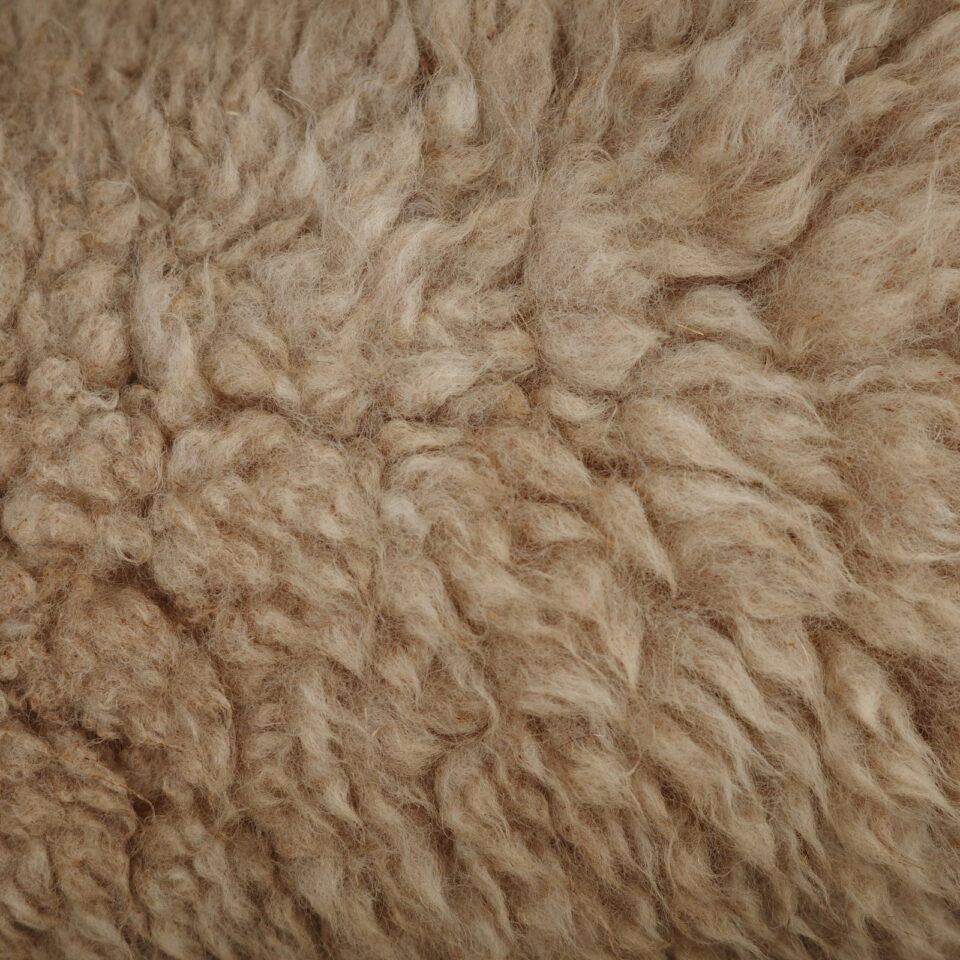
Natural undyed or dyed wool; flatweave, tufted or knotted
High knot density, cut pile, wool with silk highlights