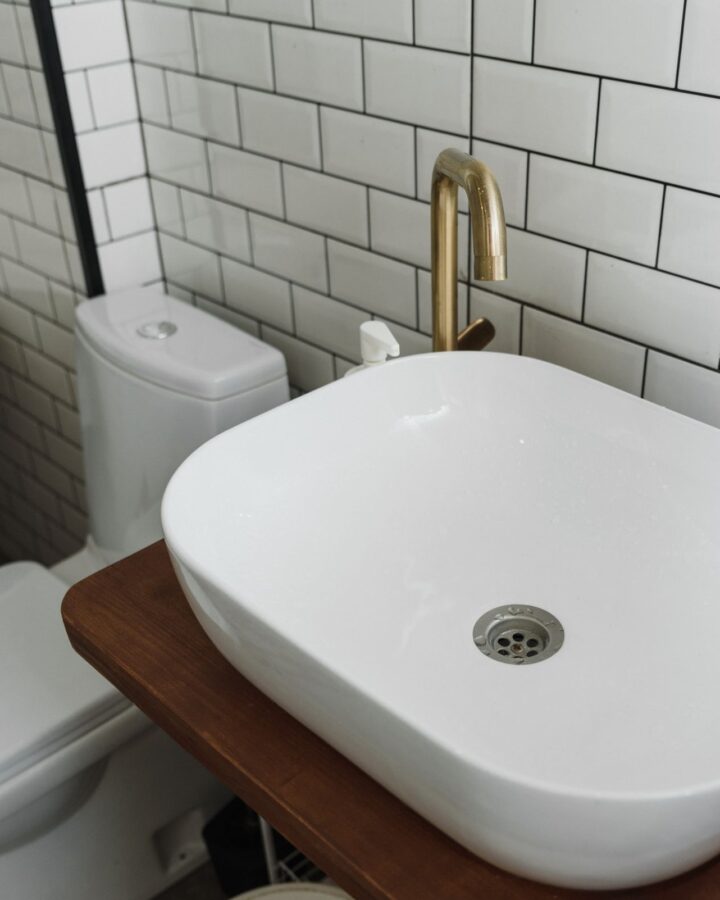
Engineered wood flooring
Hardwood wear layer on a multi-ply core, lacquered or oiled

Materials
Stone, lime plaster, metal and glass: the surfaces that frame everything else.
Hardwood wear layer on a multi-ply core, lacquered or oiled
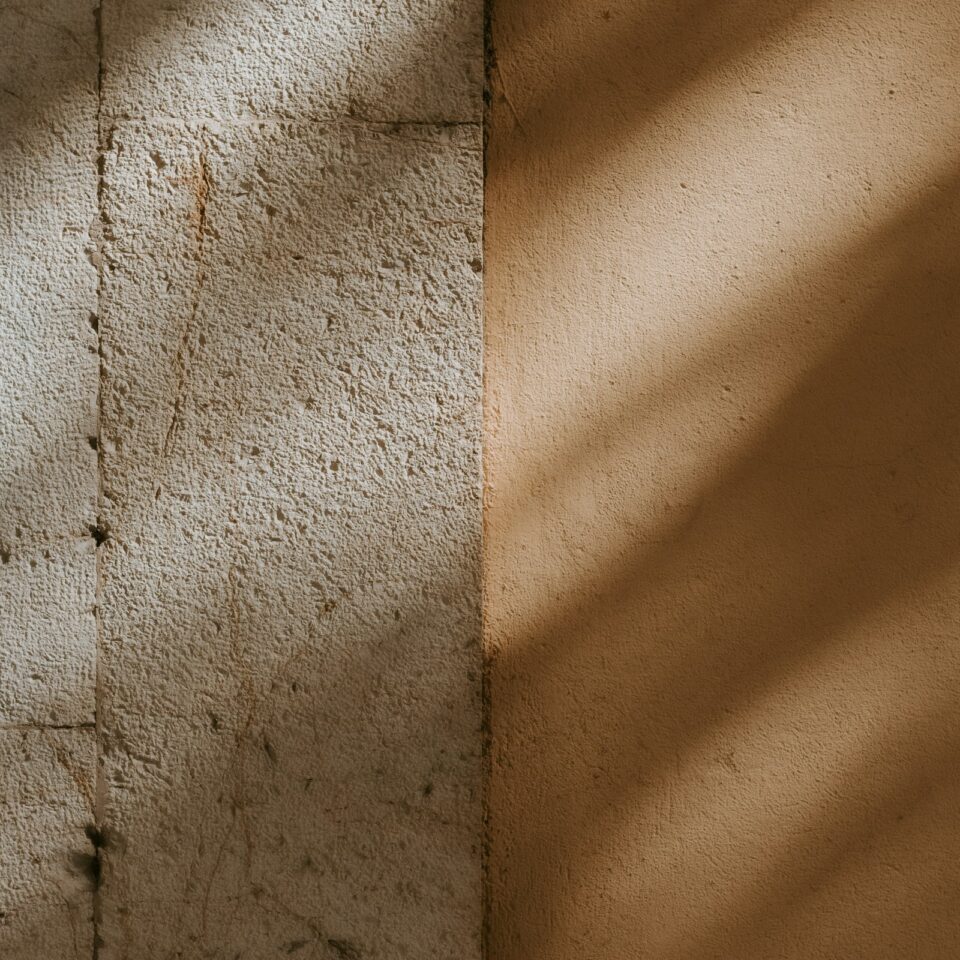
Brushed limewash or hand-trowelled plaster, soft matte
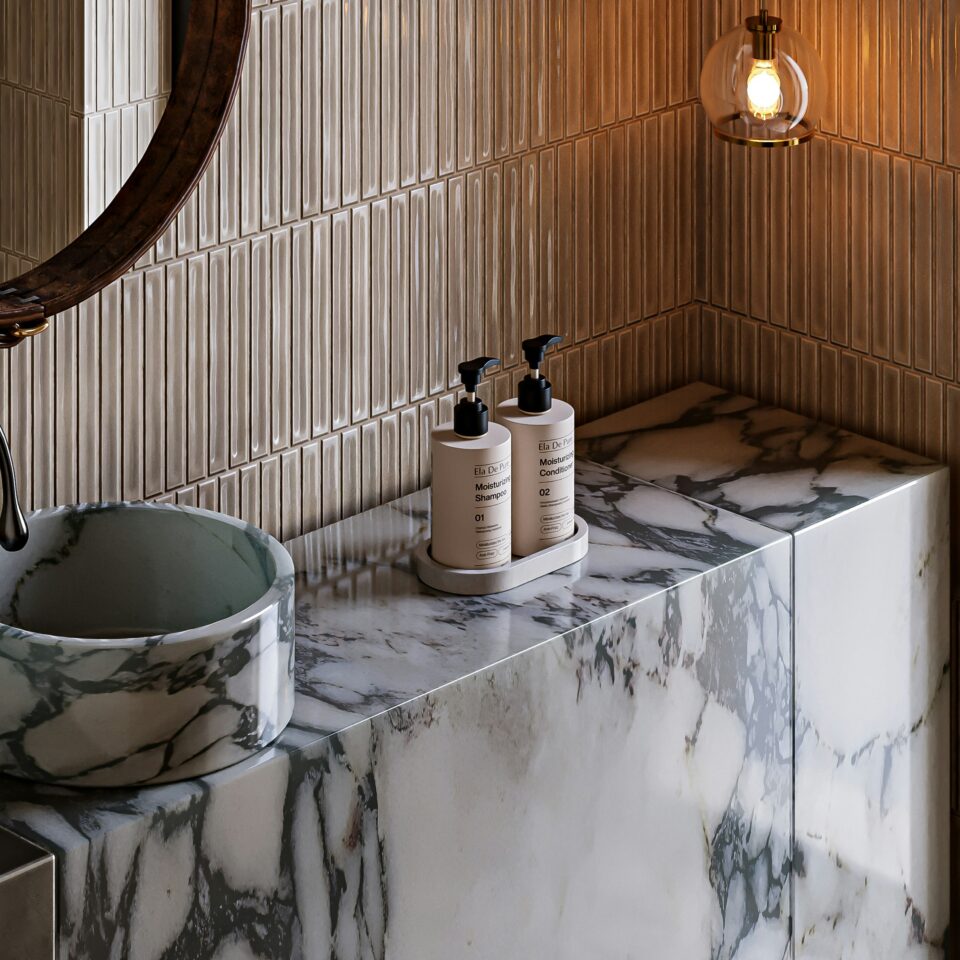
Polished, honed or brushed

Seamless, hand-trowelled, matte to satin seal

Solid or engineered hardwood blocks, lacquered or oiled

Polished, matt, honed or textured; surface-printed or through-body
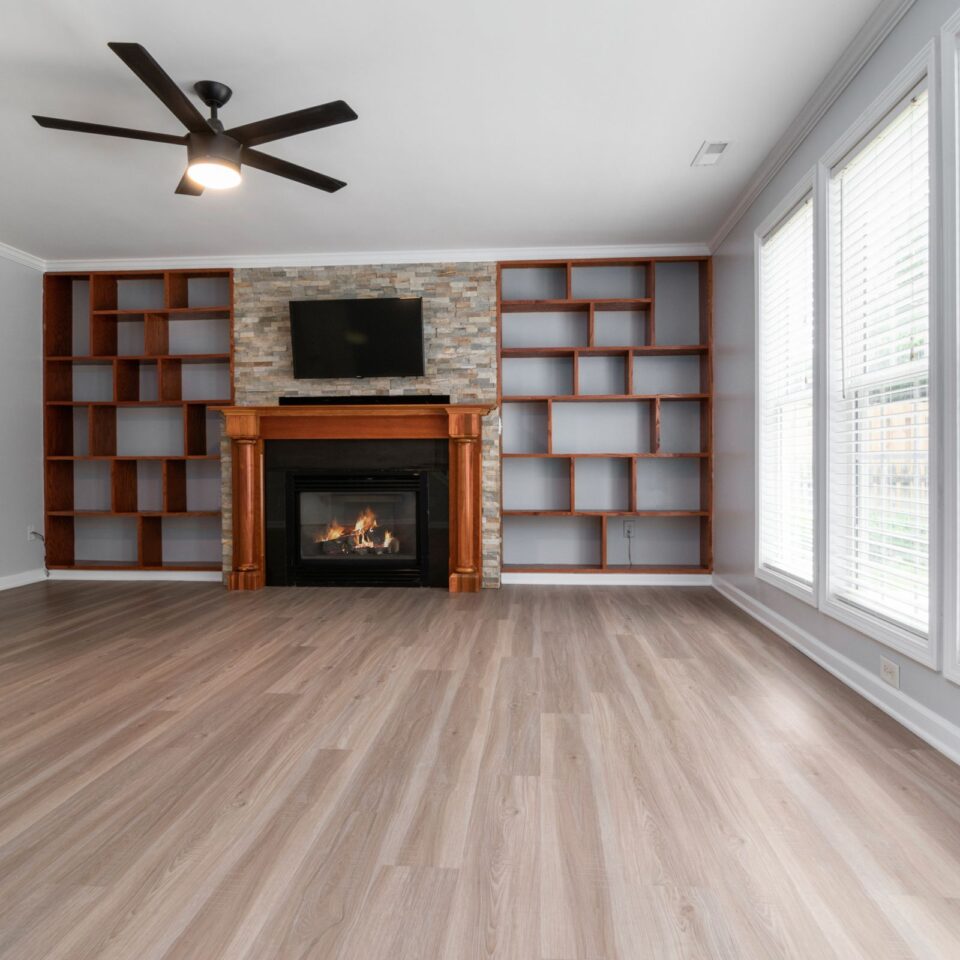
Printed vinyl with clear wear layer on a rigid stone plastic composite core
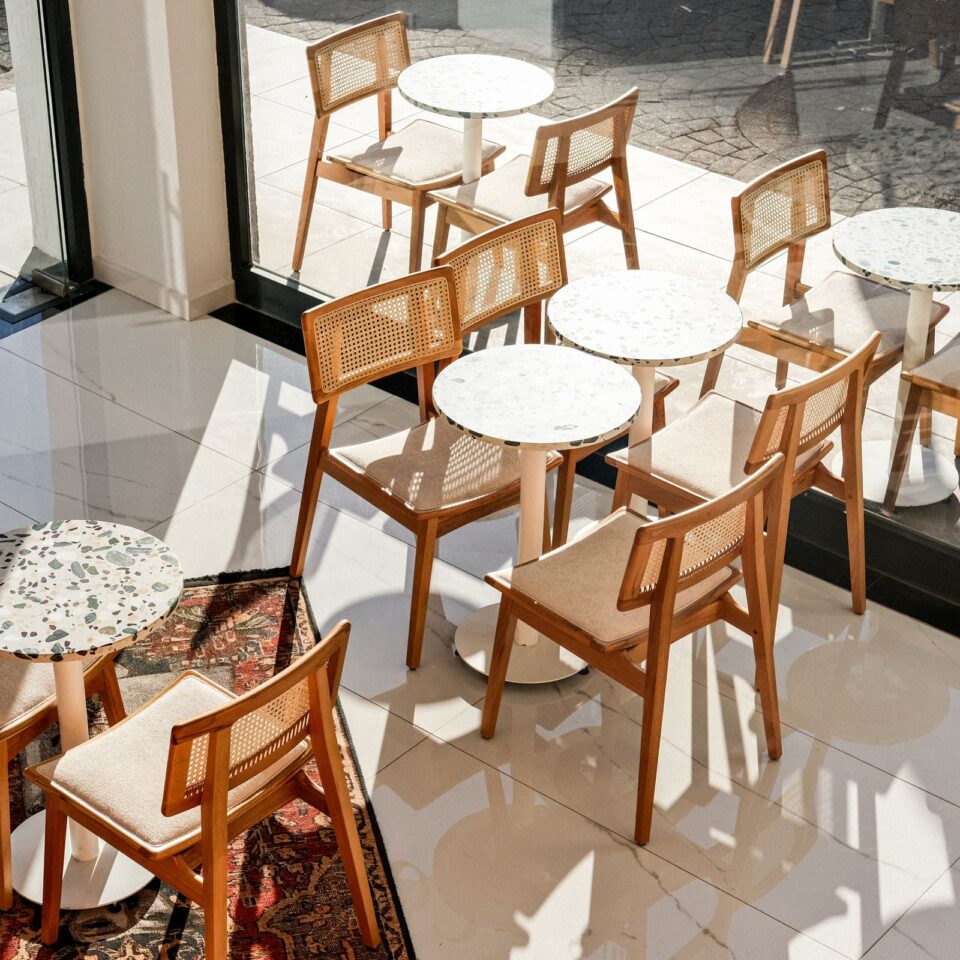
Cement or resin binder with marble, granite or glass chips; polished or honed

Honed, filled or open pores

Printed or solid vinyl with a clear wear layer, as sheet, planks or tiles
Microcement, travertine, marble, limewash and lime plaster are the finishes we turn to when a room needs weight and calm rather than pattern. If you are researching microcement in Singapore, it helps to see it beside the alternatives. Microcement gives a seamless, thin mineral skin. Marble and travertine bring the depth of real stone. Lime gives walls a soft, breathing surface that paint cannot copy. Each behaves differently in our heat and humidity, and each asks something different of the people who live or work with it. This guide compares them side by side, so you can choose with the trade-offs in view.
| Finish | What it is | Best suited to | Watch for |
|---|---|---|---|
| Microcement | A cement-based coating trowelled on in thin layers, then sealed | Floors, walls, vanities and joinery fronts where you want no grout lines | Substrate movement, sealer wear, standing water |
| Travertine | A banded limestone with natural voids, usually filled and honed | Bathrooms, spa floors, feature walls | Acid etching, open pores if left unfilled |
| Marble | A dense crystalline stone, polished or honed | Floors, vanities, tabletops, reception counters | Etching, staining, periodic re-polishing |
| Limewash | A thin, mineral wash brushed over a primed wall | Living rooms, bedrooms, corridors, ceilings | Not waterproof, marks if scrubbed |
| Lime plaster | A thicker hand-trowelled lime coat with a mottled or burnished face | Feature walls, ceilings, curved surfaces | Skilled application, longer curing time |
In condos and landed homes, the usual pairing is stone where water and wear are concentrated, and lime on the large, quiet surfaces. A honed travertine or marble bathroom with limewashed bedroom walls is a calm, durable combination. Microcement suits owners who want one continuous surface running from living room to kitchen to bathroom, without thresholds or grout. Because it goes on at only a few millimetres, it is also used to resurface existing floors, which matters in apartments where hacking is noisy and restricted by building rules. For owners weighing marble in Singapore apartments, the question is usually finish and upkeep rather than suitability.
Commercial floors take far more traffic, cleaning and spillage than a home. Marble and travertine in hotel lobbies and spas are proven, but they need a maintenance contract, not good intentions. In F&B, acidic spills such as wine, citrus and vinegar etch calcite stone quickly, so we keep polished marble away from bar tops and service stations, or accept that it will patina. Microcement works well on walls and low-traffic floors in boutique hotels and retail, but busy restaurant floors need a heavier-duty system and a clear resealing plan. Our hospitality studio plans these choices around how a space is cleaned, not only how it photographs.
Singapore's year-round humidity shapes every one of these choices.
Most disappointment with stone comes from confusing two problems. A stain is coloured liquid absorbed into the pores, and a sealer slows it down. An etch is a dull mark left when acid reacts with the calcite in marble, limestone and travertine. Sealing does not stop etching (SlabWise). Light etches can be polished out. Deeper ones need honing by a stone restorer. A honed finish shows etching far less than a high polish, which is why we often recommend it for kitchens and bathrooms.
Microcement needs gentle, pH-neutral cleaning and periodic attention to the sealer, especially in wet or busy areas. Limewash is touched up rather than scrubbed. Lime plaster can be patched locally by a skilled applicator, and small marks tend to blend in over time.
The figures below are indicative 2025–2026 Singapore ranges from local publications and supplier price lists. They are a starting point for budgeting, not a quotation.
| Finish | Indicative range (SGD) | Source |
|---|---|---|
| Microcement, supplied and applied | About $175 to $250 per square metre (roughly $16 to $23 per sq ft) | Qanvast |
| Marble flooring, installed | About $40 to $70 per sq ft | Smart Calculator SG |
| Travertine tiles, supply only | About $132 to $229 per square metre (roughly $12 to $21 per sq ft), before laying | local tile retailer |
| Limewash, professionally applied | About $10 to $20 per sq ft | Home & Decor |
| Lime plaster | Quoted per project | No reliable published Singapore range |
Prices vary with area, specification, substrate and site conditions, and these figures are not a Keneki quote. Lime plaster in particular depends on the number of coats, the finish (matte, polished or burnished) and the condition of the wall, so we price it after a site visit.
We select the material, set the specification and detail the junctions: skirtings, thresholds, shower falls, joints and how a finish meets joinery. Supply, preparation and application are carried out by our partner stone and plaster specialists, and Keneki manages the work end to end, including samples, mock-ups and inspection before handover. When you are ready to compare options for your own space, you can arrange a consultation.
Yes, when it is properly sealed and the substrate is sound. Its water resistance comes from the sealer, not the cement, so we avoid it where water will pool for long periods and plan for resealing over time. See our microcement guide for detail.
Both are calcite stones, so both etch with acid. Filled, honed travertine tends to hide wear well. Polished marble shows etching more clearly. Our marble and travertine pages go into finishes and care.
It is not waterproof, so we keep it away from splash zones. A sealed lime plaster or stone is the better choice near water. Our limewash and lime plaster page explains the difference.
The coating is thin, so it follows what lies beneath. If the substrate cracks or moves, the crack can show through. Careful preparation, reinforcement mesh where the system calls for it and respecting movement joints reduce the risk.
Journal
Stone & Plaster
How glazed tiles are made, how glazed ceramic and porcelain differ, which finish suits which room, and how to lay and care for them.
Stone & Plaster
Porcelain, ceramic, stone, terrazzo, cement, glass and more: how the main tile types differ and which suit floors, walls and wet rooms.
Stone & Plaster
What Burmese teak is, why it suits a humid climate, how to source it responsibly, and how to choose, finish and look after a teak floor.
Stone & Plaster
How a concrete screed floor is laid, finished and sealed, why hairline cracks happen, and how it compares with microcement and concrete-look vinyl.
Stone & Plaster
Polished tiles bring light and a sense of luxury, but they need the right room and the right care. How they are made and where they work.
Stone & Plaster
From small mosaics to porcelain slabs, tile size shapes how a room looks and how well a floor performs. The standard formats and how to choose.
Samples are available by appointment.
Request a viewing