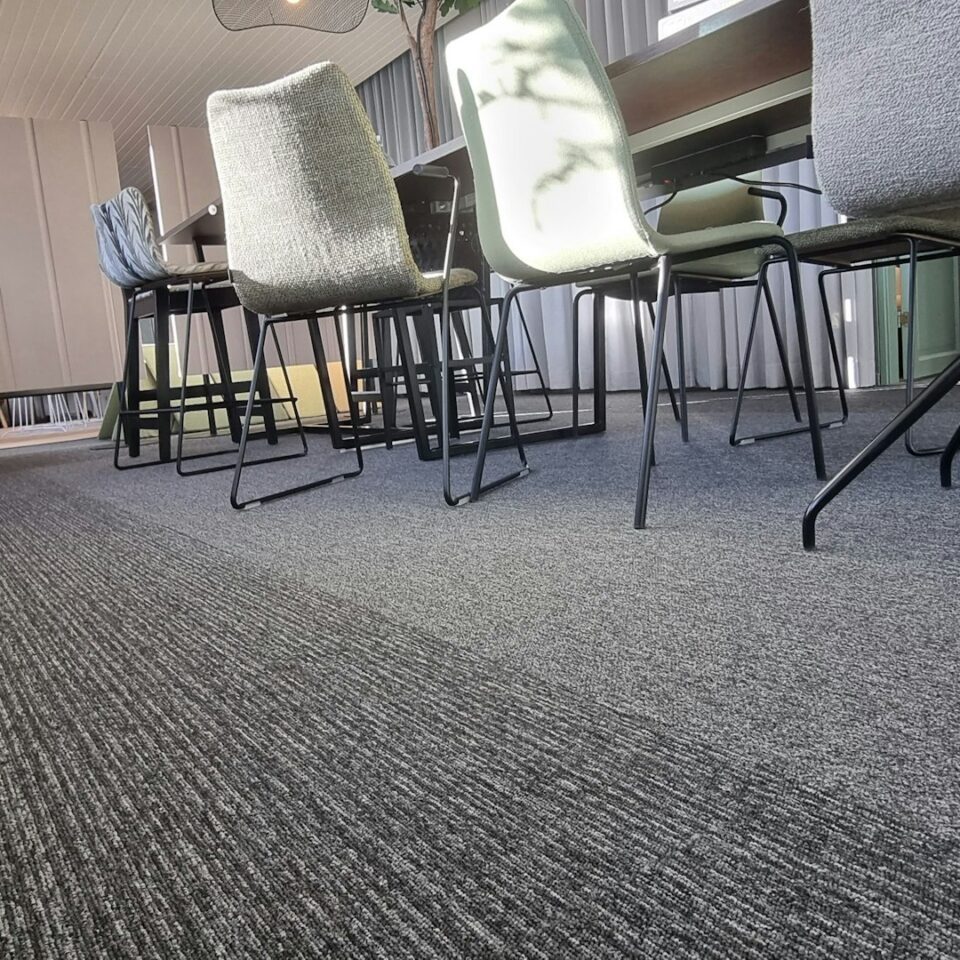
Carpet tiles
Nylon, solution-dyed nylon or polypropylene pile on a stable backing
Materials
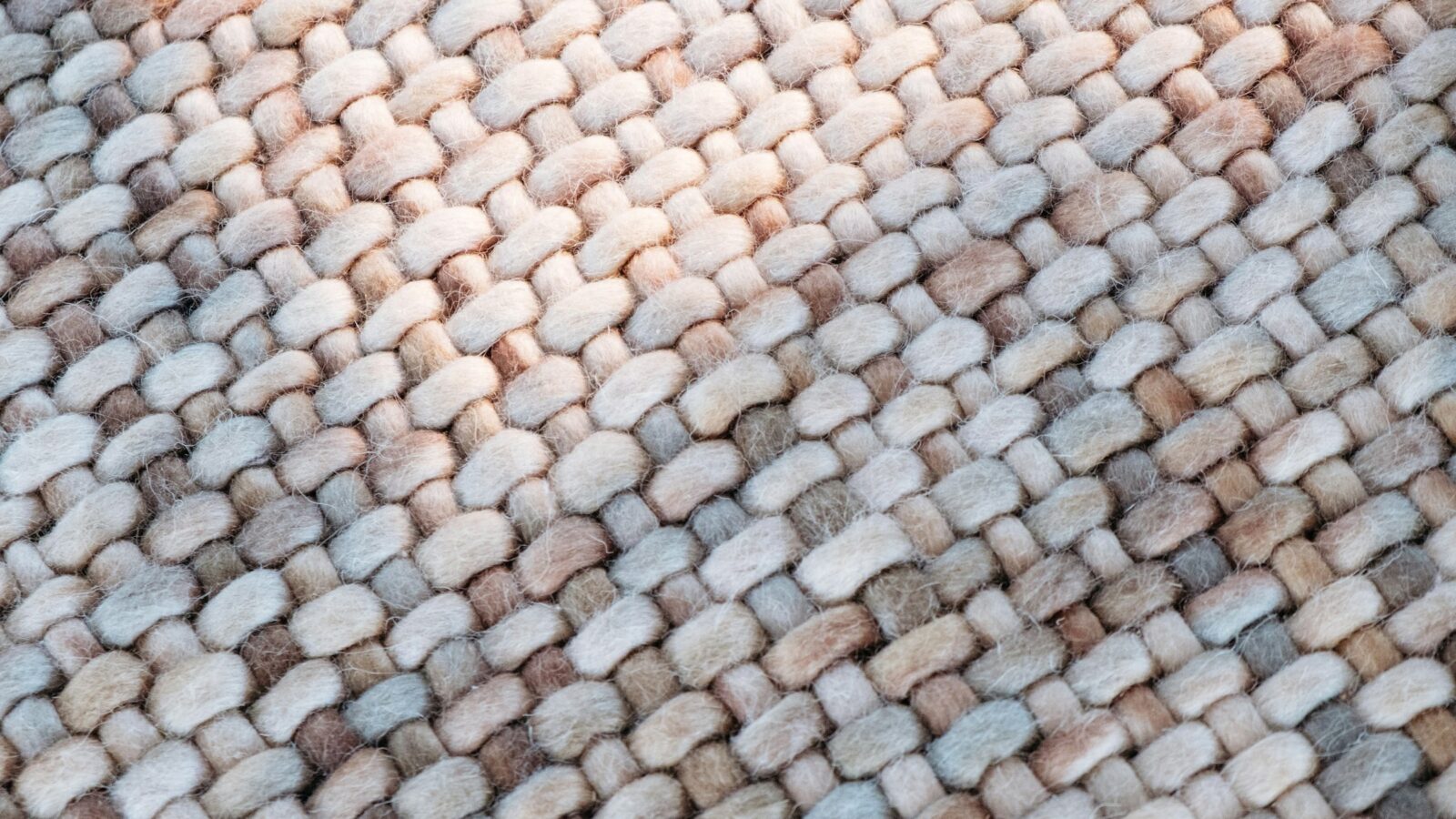
Hand-knotted, hand-tufted and flatweave rugs and broadloom carpets in wool, silk and natural fibres.
Nylon, solution-dyed nylon or polypropylene pile on a stable backing

Made to order in wool, silk or blends; knotted, tufted or flatwoven
High knot density, cut pile, wool with silk highlights

Broadloom wool or wool blend, cut or loop pile, over underlay

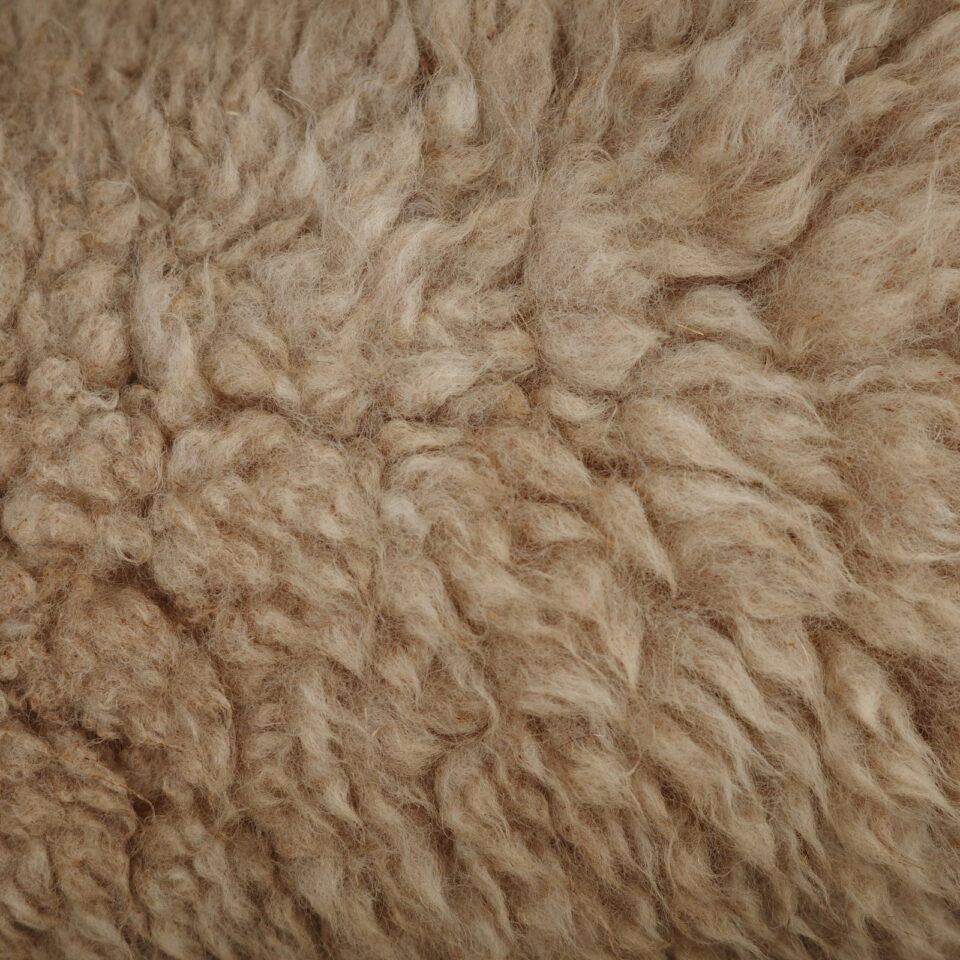
Natural undyed or dyed wool; flatweave, tufted or knotted
Buying rugs in Singapore comes down to three decisions: a fibre that copes with the humidity, a construction that suits how the room is used, and a size that holds the furniture together. Wool is the safest all-round choice. Silk is best kept to quiet rooms or used as a highlight. Jute and other plant fibres need air-conditioned, well-ventilated rooms. This guide sets out the trade-offs we talk through with clients, along with sizing rules, care advice and indicative prices. Wall-to-wall carpet follows the same logic, with underlay and installation added.
The Meteorological Service Singapore puts mean annual relative humidity at around 82%, often above 90% just before sunrise. A fibre that holds moisture stays damp for longer, and damp fibre is where odour, mildew and dust mites start. In this climate, how a fibre handles moisture matters more than how it looks in a showroom.
| Fibre | In humid conditions | Best for | Watch for |
|---|---|---|---|
| Wool | Takes up and releases moisture without feeling damp; the pile springs back | Living rooms, bedrooms, dining rooms | Some shedding at first; moths in dark, undisturbed corners |
| Silk | Lustrous, but weaker when wet and quick to show water marks | Low-traffic rooms, highlights within a wool rug | Spills, strong sun, furniture feet |
| Viscose and other plant-based silks | Soft sheen, but loses strength when wet and marks easily | Bedrooms and rooms with little traffic | Any spill; flattening in walkways |
| Jute and sisal | Absorb moisture and can brown or smell musty | Air-conditioned rooms, layering under a smaller rug | Water marks; coarse underfoot |
| Synthetics (nylon, polypropylene, polyester) | Resist mildew and dry quickly | Children's rooms, rentals, areas near outdoor doors | Flattening and shine; less pleasant to the touch |
One Singapore retailer's buying guide notes that jute and sisal can start to smell musty within a year in a room without air-conditioning, while polypropylene and nylon resist mildew. For most of our clients the answer is wool, or wool with a little silk, in rooms that are air-conditioned for part of each day. Our page on wool rugs covers the fibre in more detail.
Each knot is tied by hand around the warp threads, row by row, then trimmed to form the pile. Quality is described by knot density, usually in knots per square inch. A well-made hand-knotted rug can last for generations and can be repaired, but it is the slowest and most expensive to make.
Yarn is punched through a backing cloth with a hand-held tool, then fixed with adhesive and a second backing. Tufting is faster and less costly than knotting, which makes it the usual route for custom rugs on shorter timelines. Because the pile is held by glue rather than knots, a tufted rug has a shorter life and cannot be restored in the same way.
Woven on a loom with no pile, so it is thin, light and often reversible. Flatweaves suit dining rooms, where chairs slide in and out, and rooms where a door must swing over the rug. They give little cushioning, so use a rug pad underneath.
Carpet made on wide looms or tufting machines and fitted wall to wall over underlay. It suits bedrooms, media rooms and hotel corridors, where the whole floor should be soft and quiet. Budget for the underlay as well as the carpet. In condominiums, check your MCST by-laws first: one Singapore flooring cost guide notes that most MCSTs require acoustic underlay. The screed must be dry and level. Our wool carpet page covers pile types and installation.
A rug that is too small is the most common mistake. These are rules of thumb, not fixed standards:
Stock sizes vary from maker to maker. Before you order, mark the outline on the floor with masking tape and live with it for a day. Our rug size guide covers layouts room by room.
| Item | Indicative range (SGD) | Source |
|---|---|---|
| Mid-range machine-woven living room rugs | About $375 to $660 | Singapore retailer guide |
| Handwoven or wool rugs | From about $900 | Singapore retailer guide |
| Hand-knotted wool rugs, online listings | About $840 for a simple 245 x 245 cm weave, up to more than $13,500 for a 300 x 390 cm Persian design | Singapore online retailer |
| Broadloom carpet, supplied and installed | About $6.50 to $13 per sq ft | Singapore flooring supplier |
| Wool and wool-blend carpet | About $12 to $30 per sq ft | Singapore flooring supplier |
Prices vary with size, specification and site conditions, and these figures are not a Keneki quote. Fibre, knot density, size and whether a piece is made to order move the price more than anything else.
We start with the room's traffic, light and air-conditioning, then choose fibre, construction and size. We sample in place, because colour and pile read differently at home than under showroom lights. Keneki manages selection, sampling and installation end to end, with weaving by our partner workrooms and fitting by our partner installers. To compare options, arrange a consultation and bring your floor plan.
Yes. Wool takes up and releases moisture without feeling damp, and it resists crushing. It does best in rooms that are air-conditioned for part of the day and that get regular vacuuming.
In a hand-knotted rug, every knot is tied onto the warp, so the rug can last for generations and can be repaired. In a hand-tufted rug, the yarn is punched through a backing and held with adhesive. Tufting is quicker and cheaper, but the rug has a shorter life.
Large enough that at least the front legs of all the seating sit on it, with a margin of bare floor around the edge. In most living rooms that means a bigger rug than people first expect.
They can work in air-conditioned rooms with good airflow. In rooms that stay warm and closed, jute can brown and smell musty, so wool or a synthetic flatweave is usually the safer choice.
For most homes, every one to two years, and sooner in busy rooms or homes with pets. Hand-knotted, silk and viscose rugs need a specialist rather than a general carpet cleaner.
Journal
Carpets & Rugs
Small rugs for bedsides, kitchens and doorways: how to size them, which fibres to choose, how to stop them slipping and how to keep them fresh.
Carpets & Rugs
How sisal behaves underfoot and in humidity, which weaves and sizes to choose, and when a sisal and wool blend is the better choice.
Carpets & Rugs
How to layer rugs with intent: a base and a top layer, sizes that work together, texture and colour, safety, and care in a humid climate.
Carpets & Rugs
What makes a carpet or rug waterproof, how fibres, backings and pads work together, and where they make sense in a humid Singapore home.
Carpets & Rugs
How rugs resist fire, from wool to treated fibres, the tests that prove it, and how Singapore's Fire Code applies to homes and commercial spaces.
Carpets & Rugs
Solution dyed nylon carries its colour right through each fibre. What that means for fading, cleaning and wear, and where it makes sense.
Samples are available by appointment.
Request a viewing