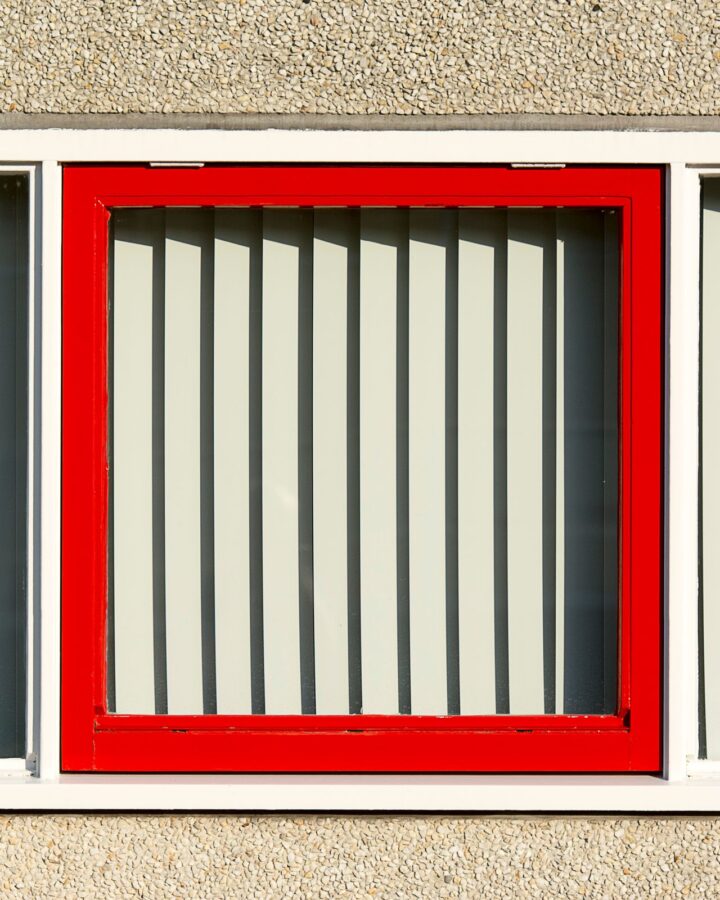
Awnings
Solution-dyed acrylic or PVC-coated polyester on aluminium frames

Materials
Curtains, sheers, Roman shades and blinds that soften light, give privacy and complete a room.
Solution-dyed acrylic or PVC-coated polyester on aluminium frames
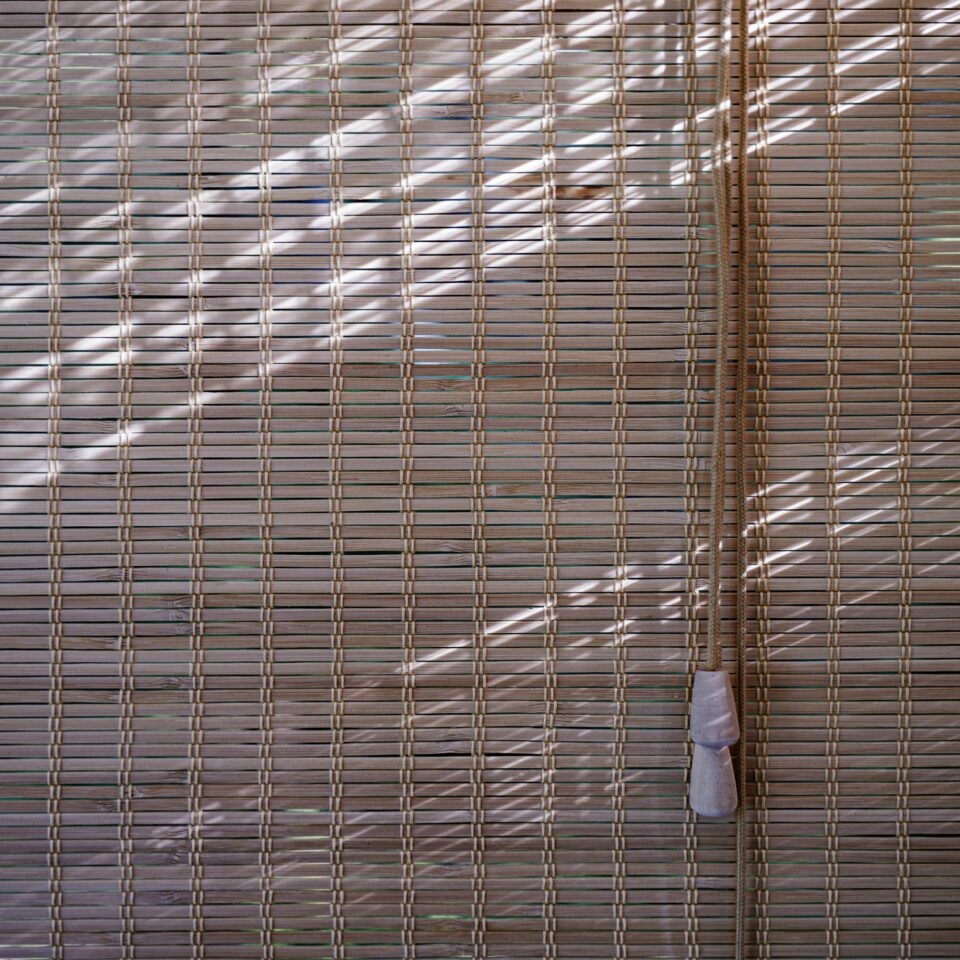
Natural, stained or painted split bamboo

Coated, laminated or lined blackout fabric; cellular or slatted
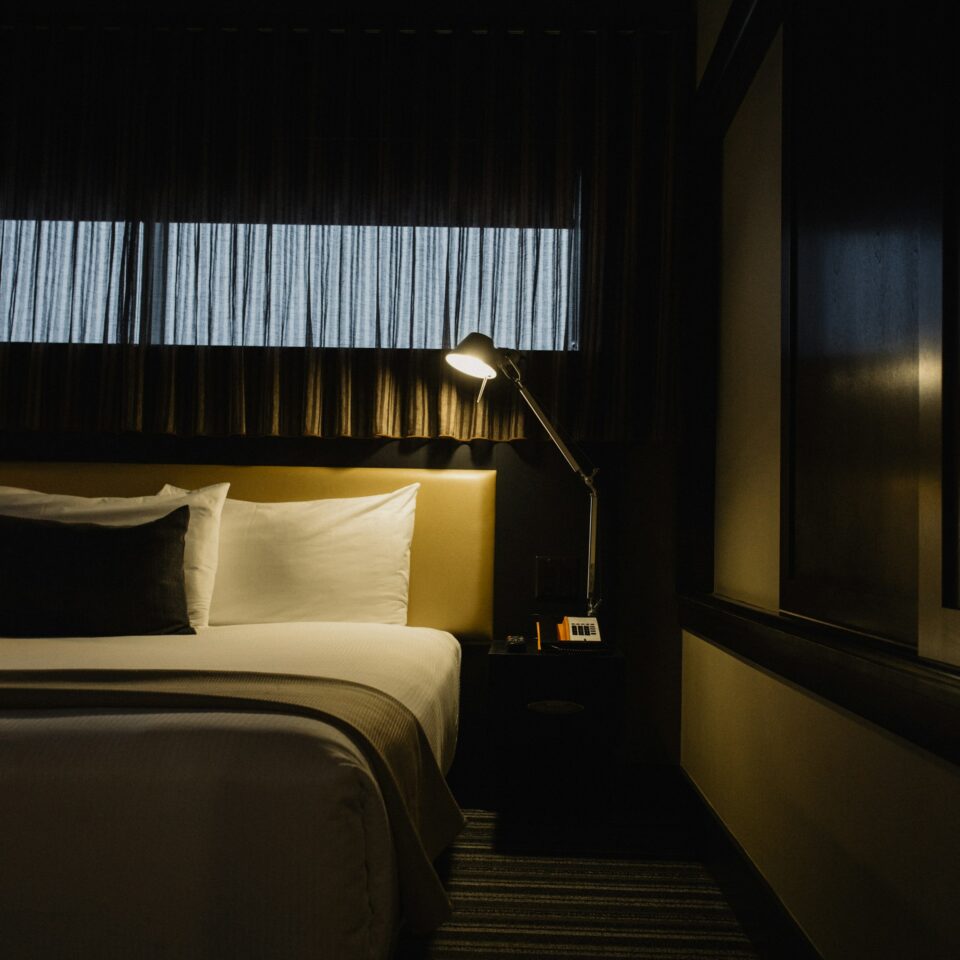
Coated blackout fabric or lined face fabric

Aluminium glide, ripple, double, bendable and motorised tracks

Sheer day layer with dim-out or blackout night layer

Single, double or triple-cell pleated fabric; light-filtering, dim-out or blackout
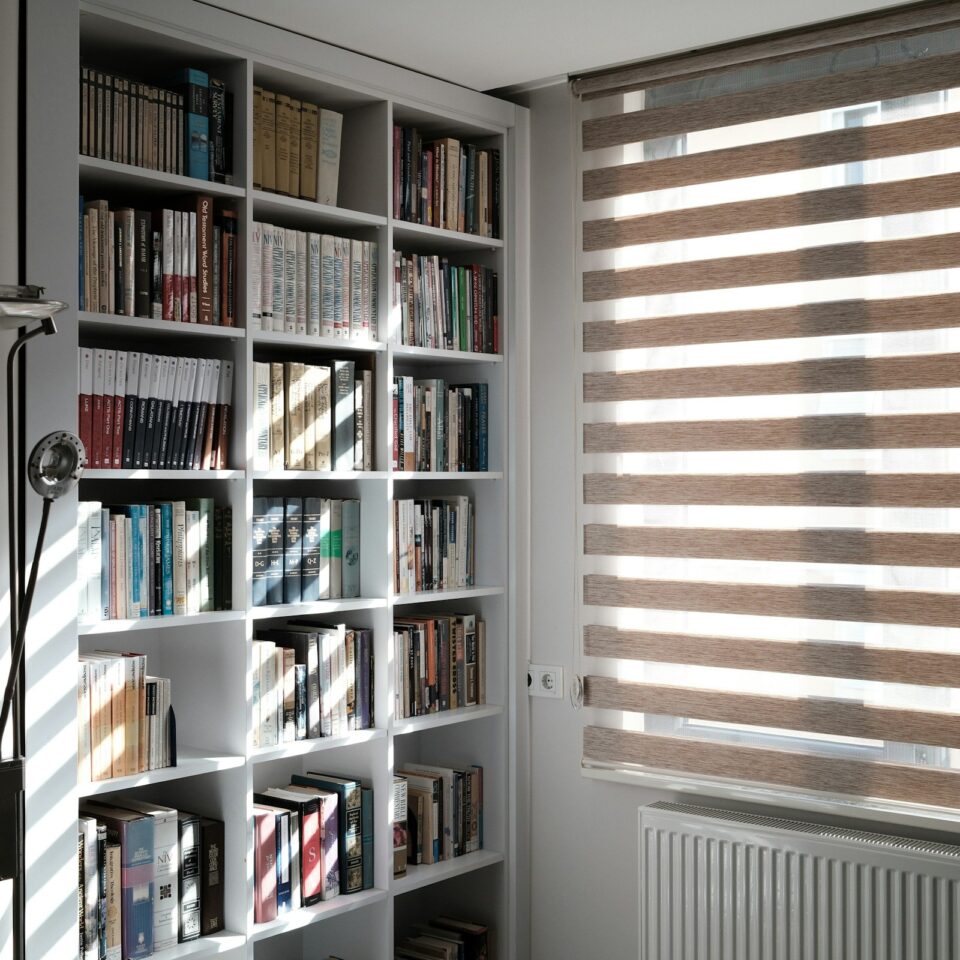
Alternating sheer and solid polyester bands, light-filtering to near-blackout
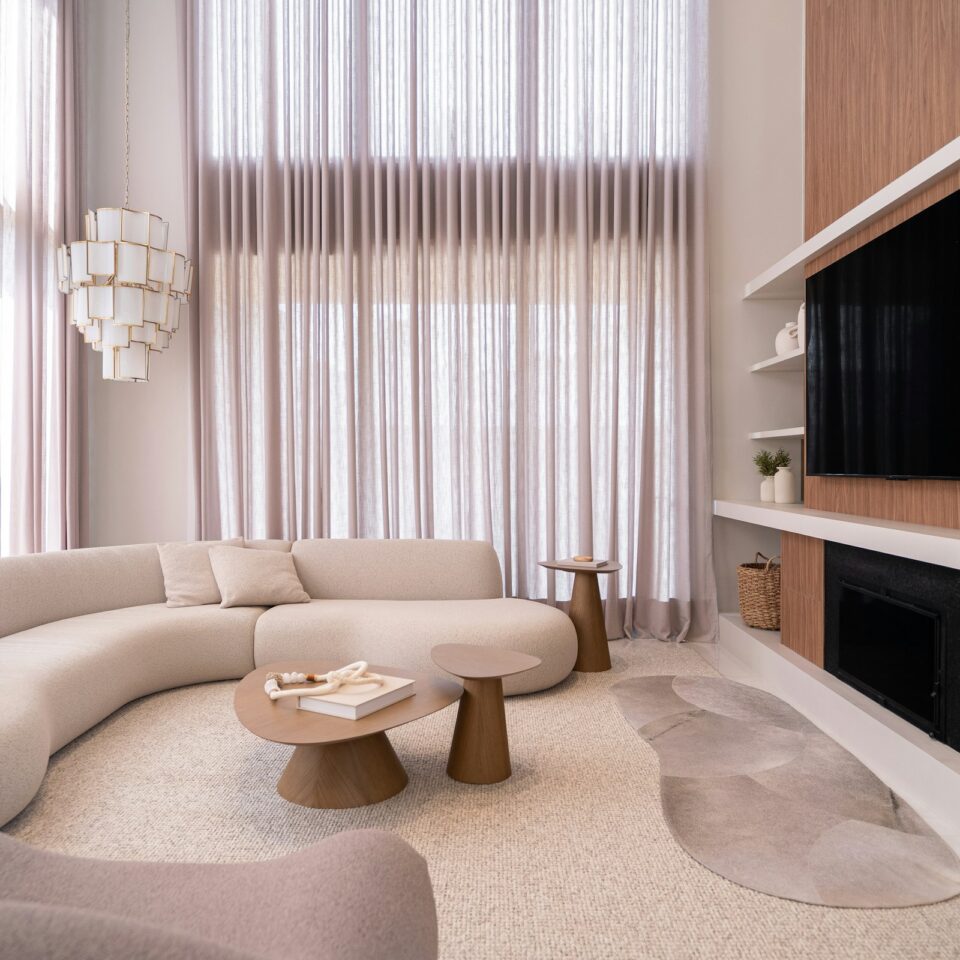
Hard-wired or battery motor on ceiling or pelmet track

Mesh or PVC fabric in aluminium side channels
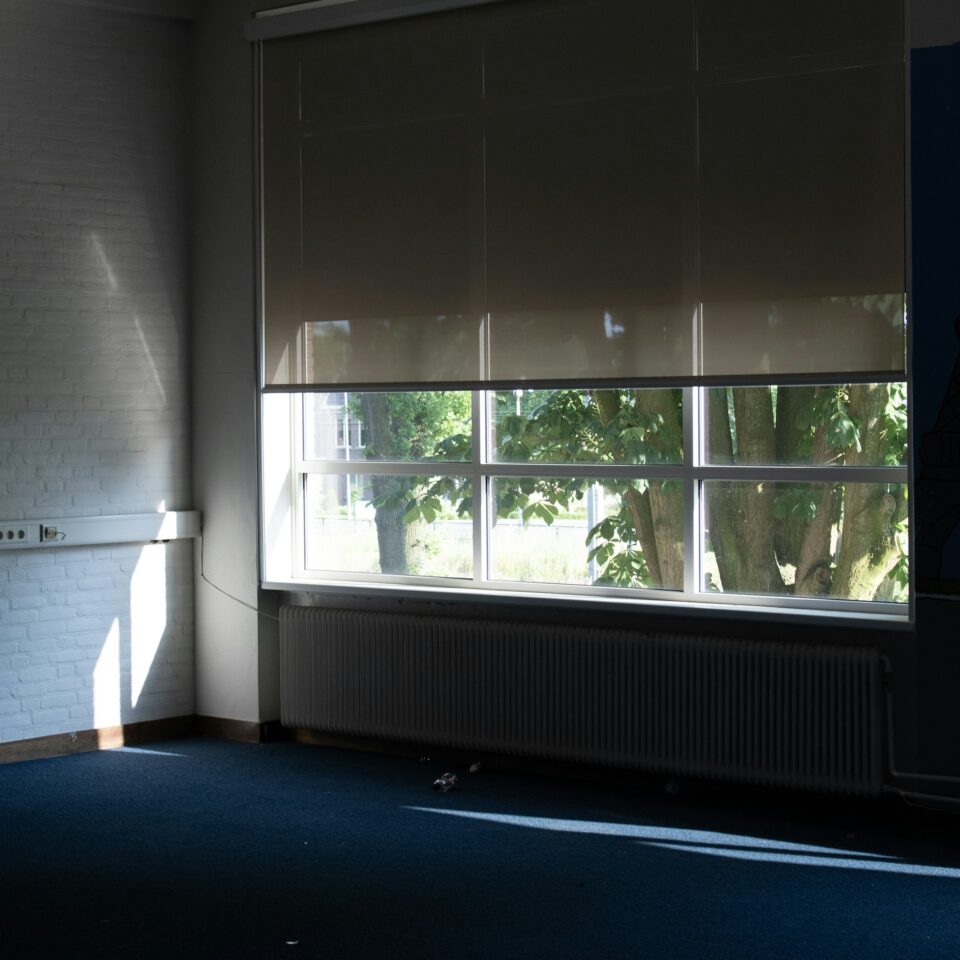
Screen, light-filtering or blackout fabric

Textured weave, flat or relaxed folds
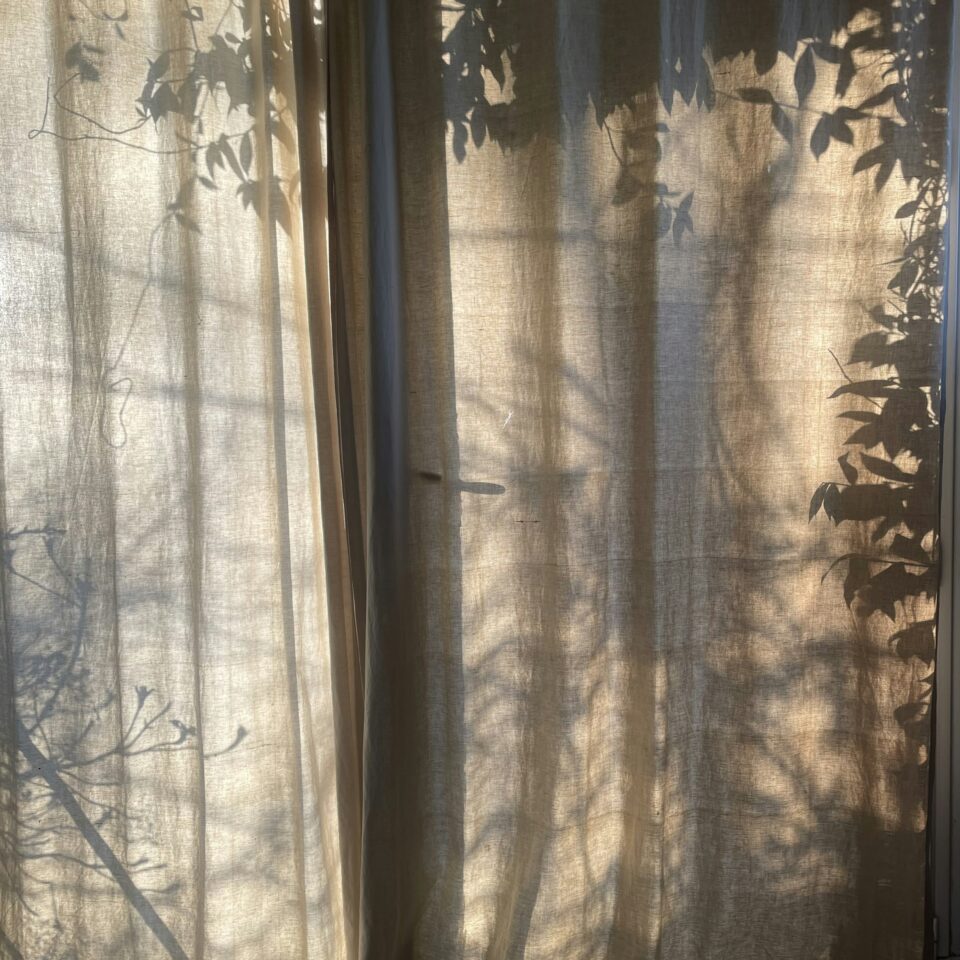
Lightweight open weave, natural slub

Aluminium, faux wood or timber slats, 25 to 50mm

PVC, fabric or screen vanes
Buying curtains in Singapore comes down to four decisions: what each room needs from its windows, which fabric will cope with the climate, how the curtain is lined and hung, and how it is operated. Curtains suit most living rooms and bedrooms because they soften a room and close fully. Blinds suit kitchens, studies, bathrooms and tight window bays, where a slim profile matters more than drape. This guide covers each choice, with indicative local prices.
Start with the room, not the product. Ask what the window must do at 7am, at 3pm and at midnight.
Singapore's air is rarely dry. The Meteorological Service puts mean relative humidity at around 82%, often above 90% before dawn. That shapes fabric choice more than any trend.
Our journal piece on choosing curtain fabrics for a humid climate goes deeper on fibre behaviour and care.
A lining protects the face fabric from sun, adds body to the folds and controls light. The main options:
The track decides how the curtain moves and how it looks at the top. A ceiling-recessed track in a pelmet or cove gives the cleanest line, but it must be planned before the ceiling is built. A surface-mounted track or a pole is simpler to retrofit.
Pleat style changes the fabric quantity. Pinch pleats give a structured, classic head. Ripple-fold or S-fold headings give soft, even waves and suit modern rooms. Eyelets are the simplest and least formal. As general practice, workrooms allow roughly two to two and a half times the track width in fabric, depending on the heading.
Motorisation is worth considering for tall or wide windows, heavy curtains and rooms you want to close on a schedule. Plan the power point early. See our page on motorised curtains for motor types and wiring.
Measuring is where most made-to-measure mistakes begin, which is why we have our partner workroom survey the site before anything is cut. If you want a working estimate first:
These indicative ranges come from recent local cost guides and supplier pages, and include installation where the source says so.
| Item | Indicative range (SGD) | Source |
|---|---|---|
| Sheer or day curtain | S$80 to S$180 per window | Curtain Artistry, 2026 |
| Day and night curtain set | S$280 to S$750 per window | The Money Bees |
| Blackout curtain | S$350 to S$900 per window | The Money Bees |
| Roller blind | S$180 to S$450 per window | The Money Bees |
| Roman blind | S$150 to S$350 per window | Curtain Artistry, 2026 |
| Venetian blind | S$200 to S$400 per window | Curtain Artistry, 2026 |
| Motorised curtain track | Adds S$350 to S$900 per window | The Money Bees |
| Zip-track outdoor blind | S$16 to S$45+ per sq ft | mc2, 2026 |
For a whole home, the same guide puts mid-range custom work for a three-bedroom condo at S$10,000 to S$22,000, and landed homes higher. Prices vary with window size, fabric, specification and site conditions such as ceiling height and access. They are not a Keneki quote.
Keneki manages window treatments end to end as part of a wider interior, or as a standalone package.
To talk through your windows, arrange a consultation.
Neither is better everywhere. Curtains in a polyester or blended fabric handle humidity well and suit living rooms and bedrooms. Aluminium or PVC blinds are the safer choice in kitchens, bathrooms and any room with poor airflow.
It depends on the fabric and the workroom schedule. Stock fabrics are usually quicker than imported ones. We confirm a timeline after the survey, once every fabric has been checked for availability.
For a tailored look, set the hem one to two centimetres above the floor. It hangs cleanly and stays clear of dust and mopping. A longer, pooled hem is a deliberate style choice and needs more care.
Yes. A common pairing is a roller or Roman blind inside the recess for light control, with a curtain outside it for softness and full privacy. Plan the track depth so the two do not clash.
Vacuum them lightly every few weeks with a brush attachment. Most need a proper clean every six to twelve months, more often near a kitchen or an open window. Check the fabric label first, because some linens and linings must be dry-cleaned.
Journal
Window Treatments
Roller, Roman, pleated and day and night blinds compared, with advice on fabrics, linings, humidity, safety and care.
Window Treatments
Window and shower curtains for humid bathrooms: which fabrics dry fast, how to hang them, and when a blind or glass screen is the better choice.
Window Treatments
How cotton behaves as a curtain fabric, which weaves to choose, why lining and pre-shrinking matter, and how to keep cotton curtains looking fresh.
Window Treatments
Why sheers stop working after dark, which fabrics give real privacy, and how to layer curtains so a room stays private without losing its light.
Window Treatments
How timber blinds are made and specified, from slat width and finish to tapes and sizing, and how real wood copes with Singapore's humidity.
Window Treatments
What louvre blinds are, how vertical and horizontal versions differ, which materials suit which rooms, and how they compare with louvred shutters.
Samples are available by appointment.
Request a viewing