
Curtain tracks
Aluminium glide, ripple, double, bendable and motorised tracks
Window Treatments
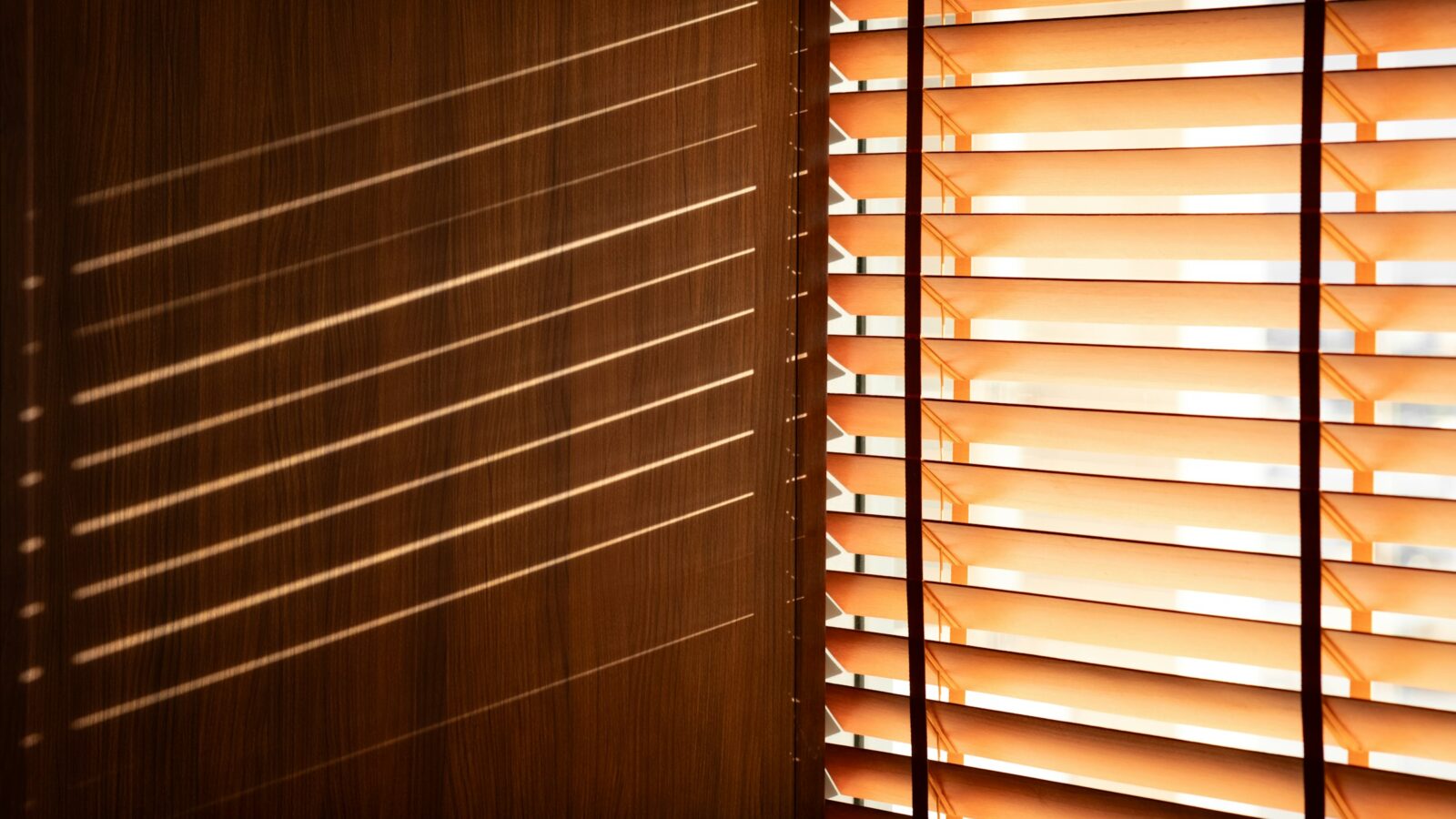
Adjustable slatted blinds in aluminium, faux wood or timber, for precise light control in studies, kitchens and bedrooms.
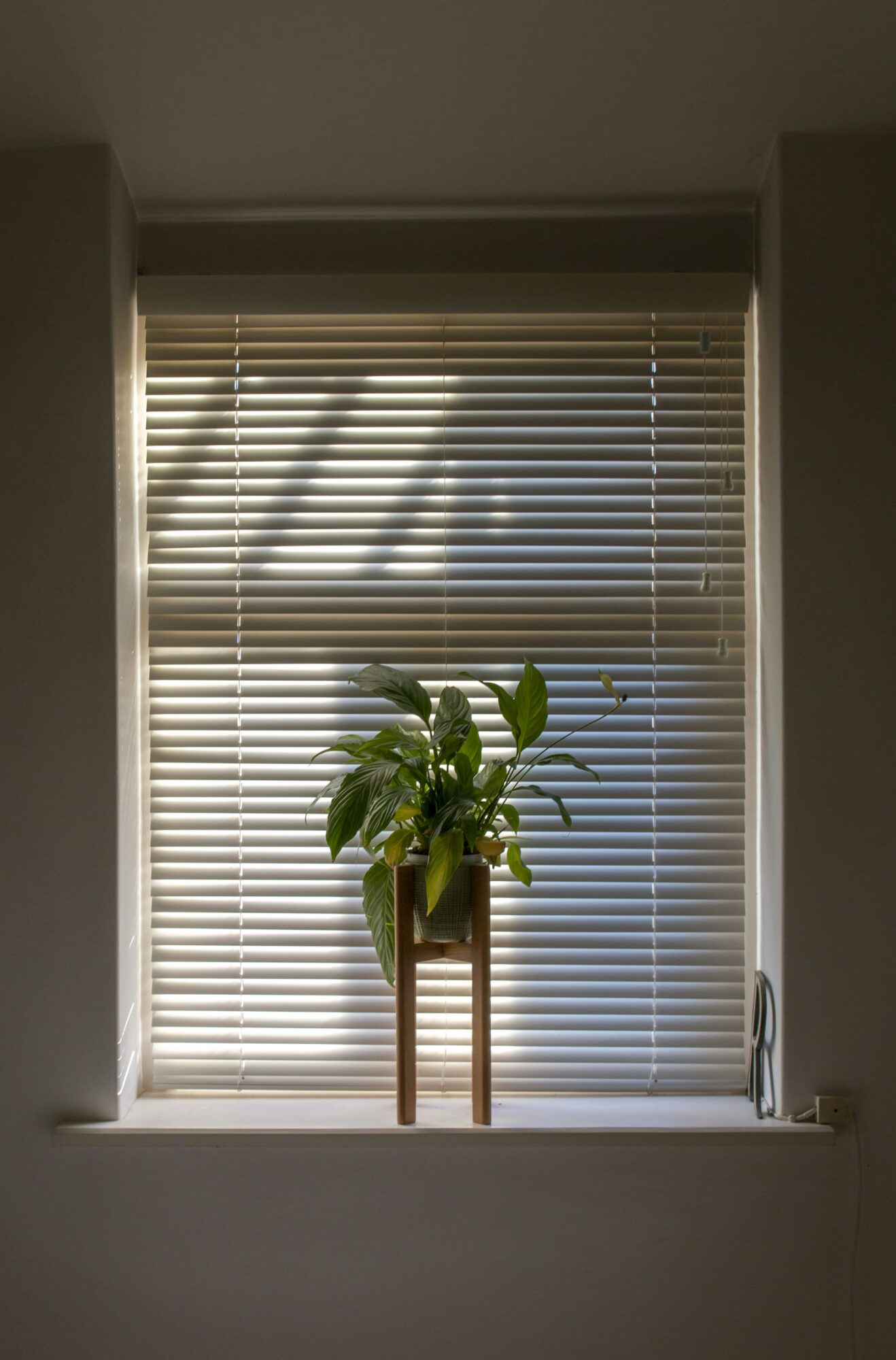
Venetian blinds in Singapore are the most adjustable way to control light at a window. Horizontal slats tilt to angle daylight up towards the ceiling, away from a screen or out of a sleeping eye line, and the whole blind lifts clear when you want the view. They come in aluminium, PVC, faux wood and real timber, and the material you pick matters more here than with almost any other window treatment, because of the humidity.
Thin, light and unaffected by moisture. Aluminium slats suit kitchens, bathrooms and service yards. Narrow 25mm slats look crisp on small windows and in a minimal room. The trade-off is that thin metal can dent or kink if handled roughly.
Faux wood looks like painted or stained timber but tolerates damp rooms. A 2026 Singapore cost guide notes that aluminium and PVC venetians handle humidity and wet areas, while timber can warp in damp rooms. Faux wood is heavier than aluminium, so very wide blinds become hard to lift by cord.
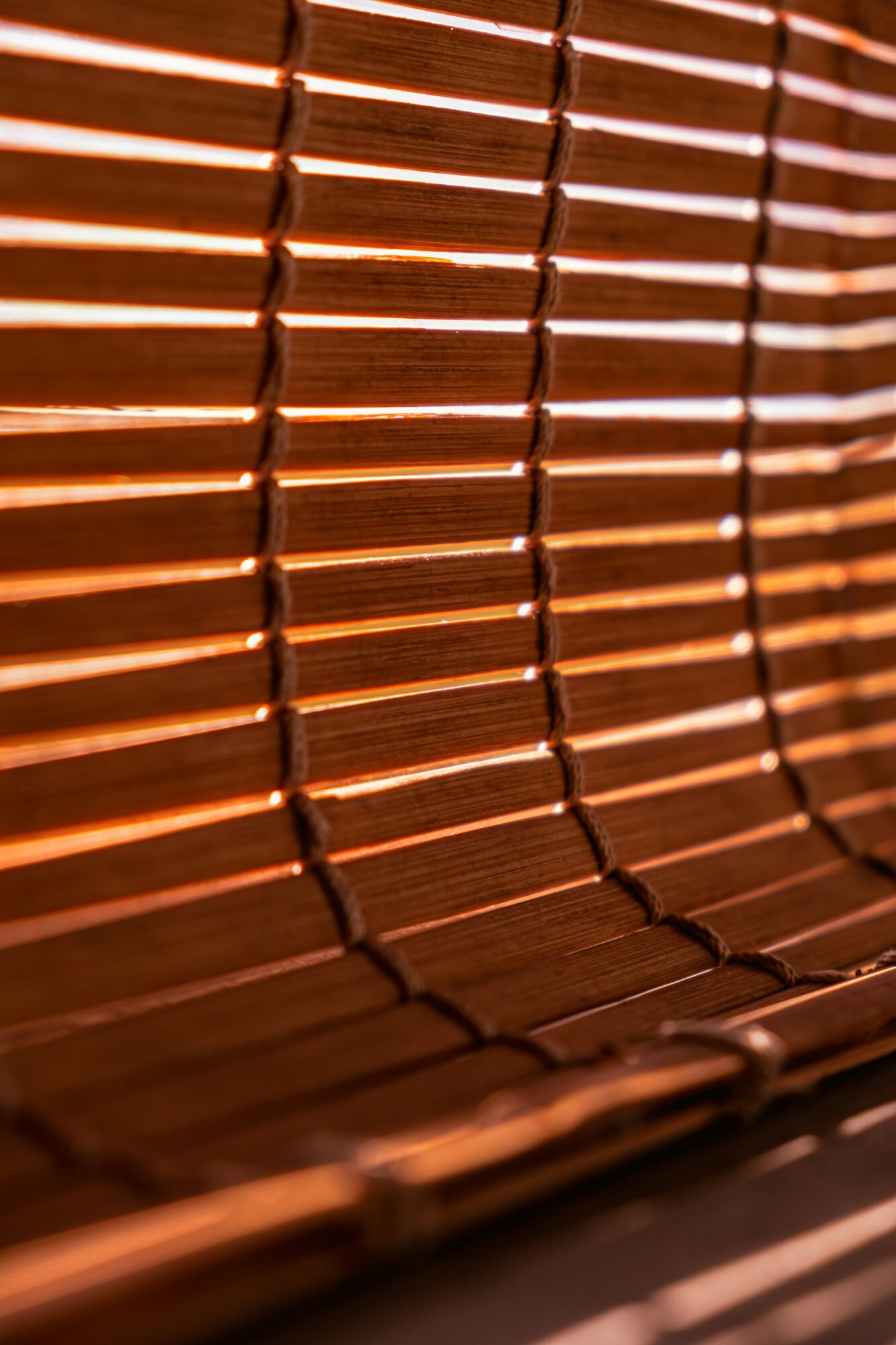
Real timber, often basswood, gives the warmest look and the best feel in the hand. Wooden venetian blinds belong in air-conditioned living rooms, studies and bedrooms. In a wet room, timber slats can warp, and a bathroom is no place for them. Choose wide 50mm slats for a calmer, more architectural rhythm.
An indicative installed figure from a recent local cost guide:
| Type | Indicative range (SGD) | Source |
|---|---|---|
| Venetian blind, aluminium, PVC or wood | Around S$300 per window | The Money Bees, 2026 |
Real timber, wide slats, cloth tapes and motors push a blind above this figure. Many suppliers also bill a minimum area per blind, so a small window can cost more per square foot. Prices vary with size, specification and site conditions, and they are not a Keneki quote.
Dust with a microfibre cloth or a soft brush attachment, with slats closed one way and then the other. Wipe aluminium and PVC with a damp cloth and mild soap. Wipe timber with a barely damp cloth and dry it straight away, because standing water marks the finish. In kitchens, clean more often, before grease bonds with dust.
We specify slat material, width and colour against the room’s other finishes, so the blind reads as part of the joinery rather than an afterthought. Our partner workroom measures each opening and makes the blinds to size, and our partner installers fit them. For a broader comparison of window options, see our curtains and blinds guide. When you are ready, arrange a consultation.
Yes, in air-conditioned living rooms, studies and bedrooms. Avoid them in bathrooms, kitchens and rooms with open windows and poor airflow, where faux wood or aluminium is the safer choice.
No. Light passes through the cord holes and around the edges even when the slats are closed. Pair them with a curtain if you need full darkness.
Real wood is lighter for its size and has a richer grain. Faux wood costs less, resists moisture and is easier to wipe. Many homes use real wood in living areas and faux wood in wet rooms.
Yes. A motor can lift the blind and tilt the slats. It suits wide or high windows, and it helps where loose cords are a safety concern.

Aluminium glide, ripple, double, bendable and motorised tracks

Single, double or triple-cell pleated fabric; light-filtering, dim-out or blackout
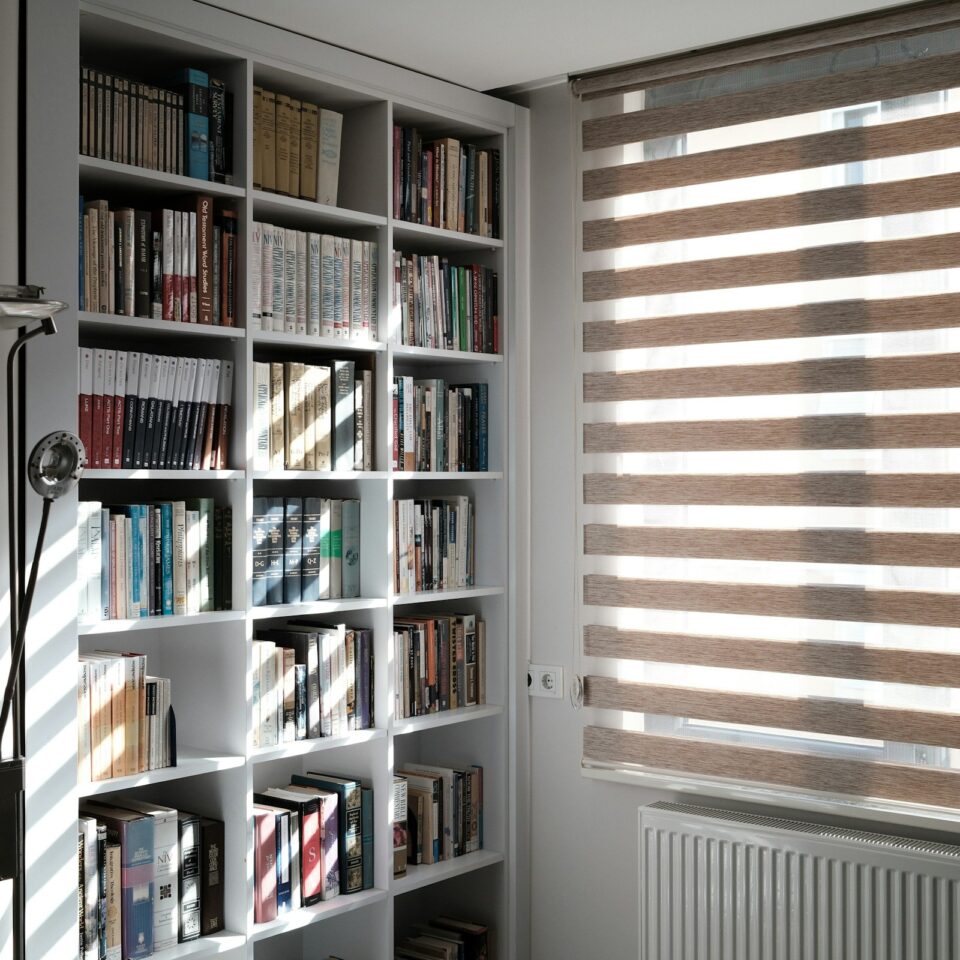
Alternating sheer and solid polyester bands, light-filtering to near-blackout

Solution-dyed acrylic or PVC-coated polyester on aluminium frames