
Curtain tracks
Aluminium glide, ripple, double, bendable and motorised tracks
Window Treatments
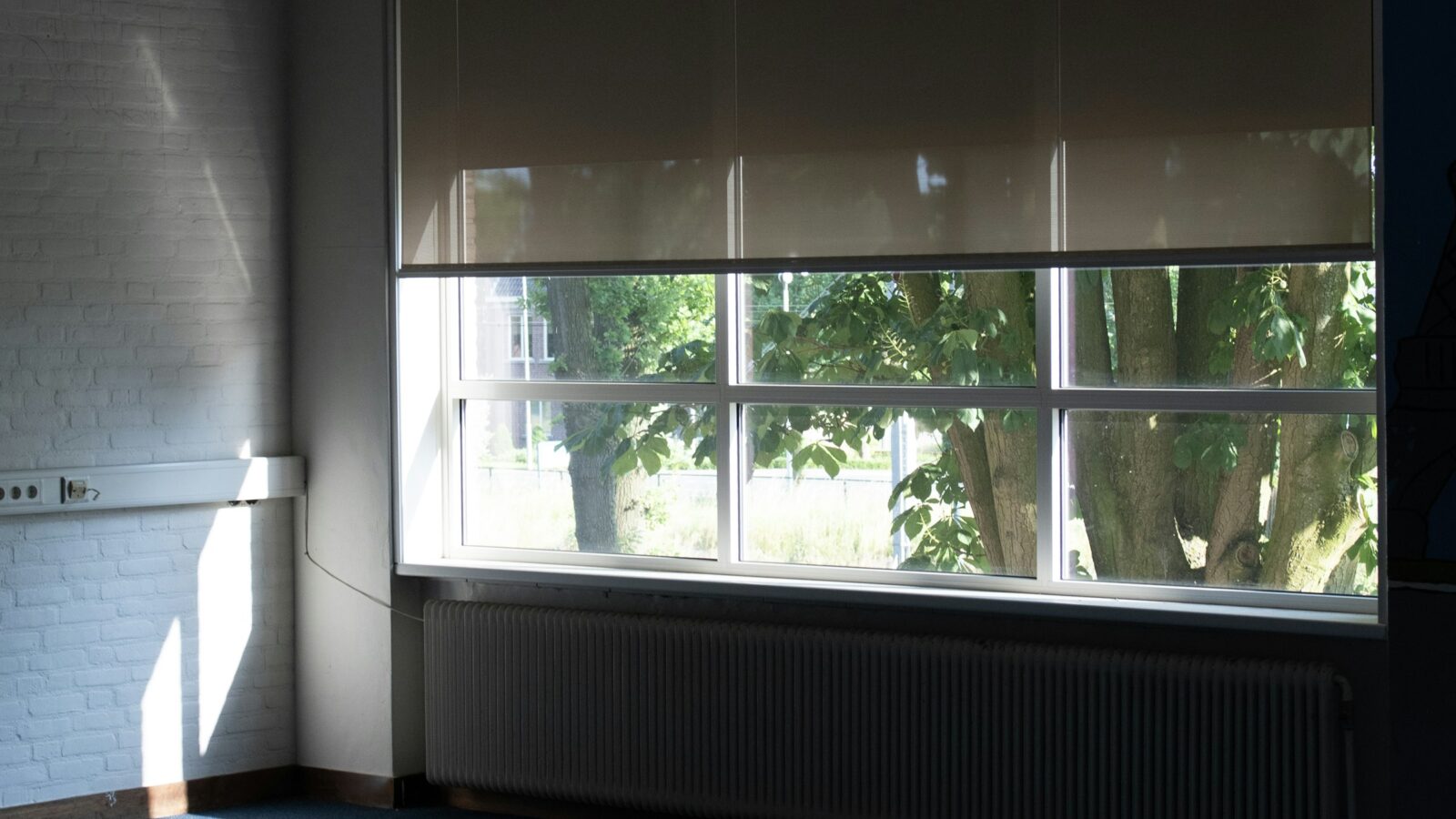
Slim fabric blinds that roll away almost completely, in screen, light-filtering and blackout grades.
Roller blinds in Singapore are the simplest, slimmest window treatment you can buy: a single panel of fabric that rolls onto a tube at the head of the window. Raised, they almost disappear. Lowered, they give a clean, flat plane of colour. The fabric decides everything else, from a fine screen that cuts glare and keeps the view to a coated blackout for bedrooms.
An open weave that reduces glare and heat while you still see out. The openness factor, roughly the percentage of open area in the weave, sets the balance. A lower figure means more shade and less view. Screens suit living rooms, studies and offices that face strong sun.
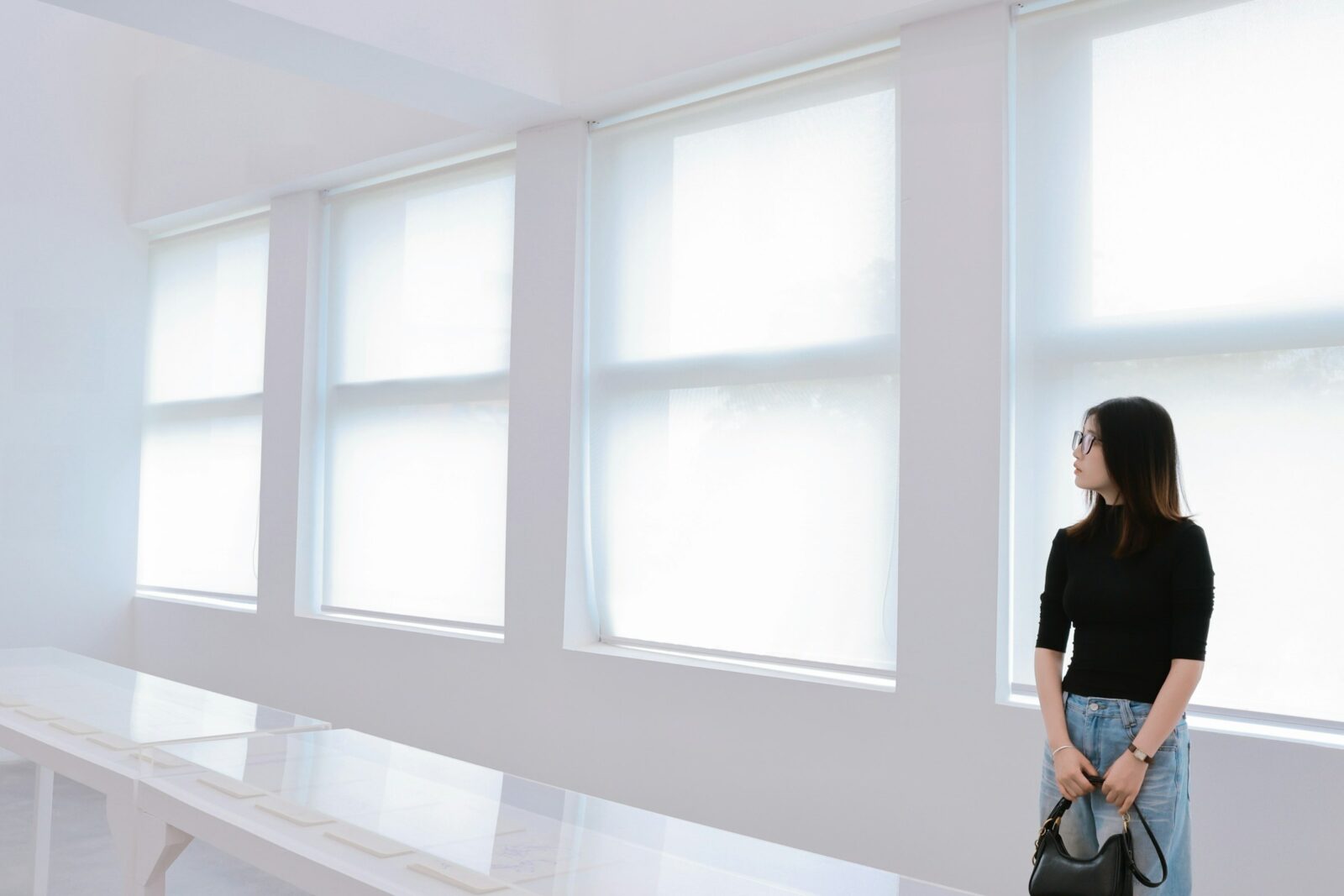
Translucent fabrics give privacy with soft, even light. Dim-out grades darken a room noticeably without sealing it. Good for living rooms and guest rooms.
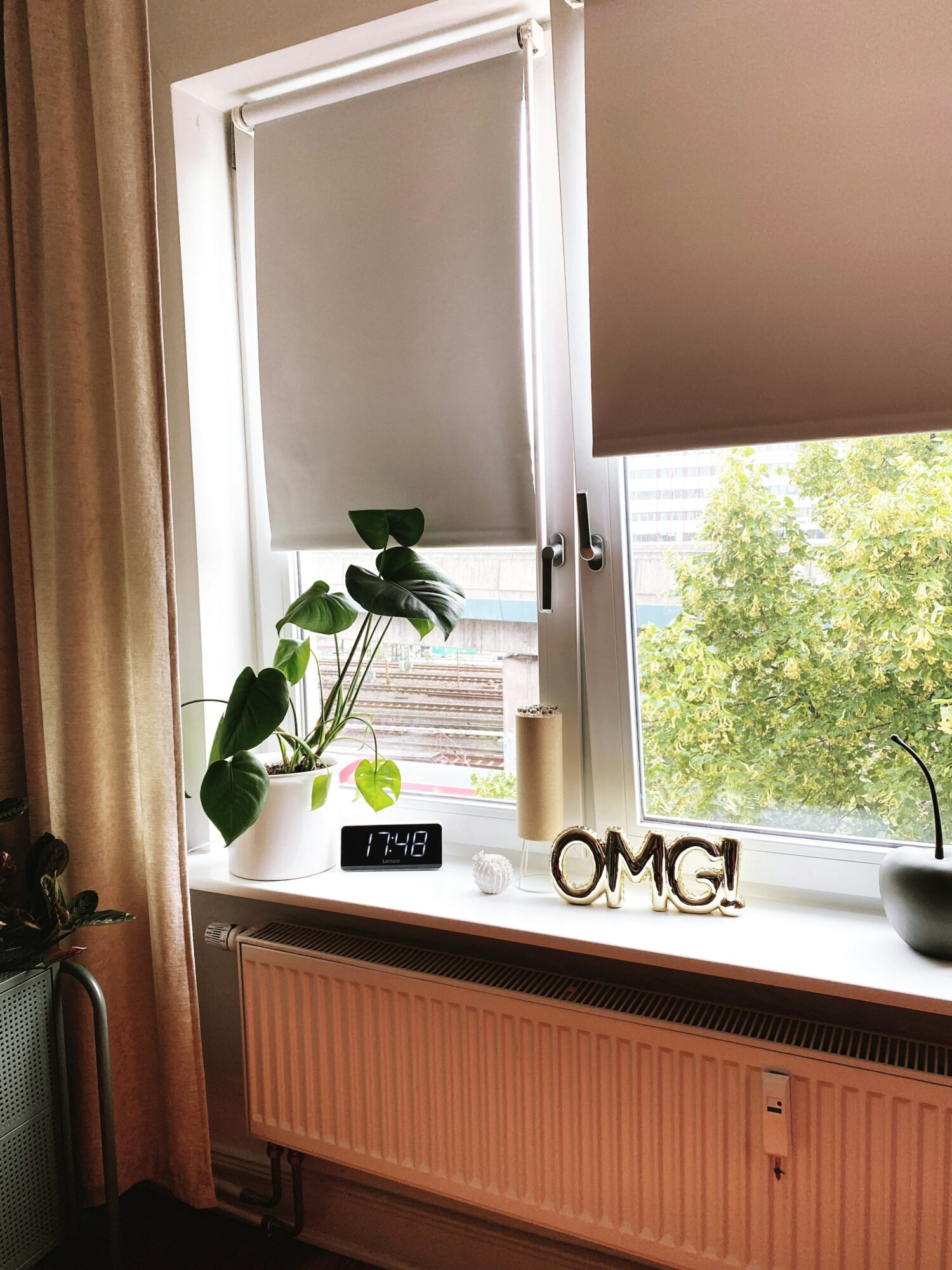
A coated or multi-layer fabric that stops light passing through the material itself. Blackout roller blinds are a common bedroom choice, and the coated fabric usually costs a little more than screen or light-filtering fabrics. Light still escapes at the sides, because the fabric must clear the brackets. Side channels, a fascia over the roll and an outside-recess fit reduce the gap.
If you want a softer, folded look in the same footprint, compare them with Roman blinds. Our journal piece on roller blinds vs Roman blinds sets the two side by side.
| Item | Indicative range (SGD) | Source |
|---|---|---|
| Roller blind, per window | S$180 to S$450 | The Money Bees |
| Motorised blind with a branded motor, per window | S$500 to S$1,200 or more | The Money Bees |
Most suppliers charge a minimum area per blind, so small windows cost more per square foot. Blackout, specialist screen fabrics, cassettes and motors move the price up. Prices vary with size, specification and site conditions, and they are not a Keneki quote.
Roller blinds are among the easiest window treatments to motorise, because the motor sits inside the tube. Rechargeable battery motors suit retrofits with no nearby power point. Hard-wired motors suit new work, where a power point can be placed at the head of the window before the ceiling is closed. For more on controls and wiring, see our page on motorised curtains, which covers the same principles.
Dust regularly with a soft brush. Spot-clean with a damp cloth and mild soap, testing on a corner first. Never roll a damp blind up for long, because mildew grows quickly on rolled fabric in Singapore’s humidity. Keneki specifies and coordinates roller blinds with our partner workroom, from survey to installation. For a full comparison of window options, see the curtains and blinds guide, or arrange a consultation.
They stop light passing through the fabric, but light leaks around the sides. Side channels, a fit outside the recess or a curtain in front make the room much darker.
Yes, in a moisture-resistant or PVC-coated fabric. Avoid natural-fibre fabrics in bathrooms, and keep the blind down to dry if it gets damp.
It depends on the fabric and tube. As a rule, very wide single blinds tend to sag, so long windows are usually split into two or more blinds.
Yes. Mount the roller inside the recess and the curtain track outside it, with enough depth between them for the curtain to clear the blind.

Aluminium glide, ripple, double, bendable and motorised tracks

Single, double or triple-cell pleated fabric; light-filtering, dim-out or blackout
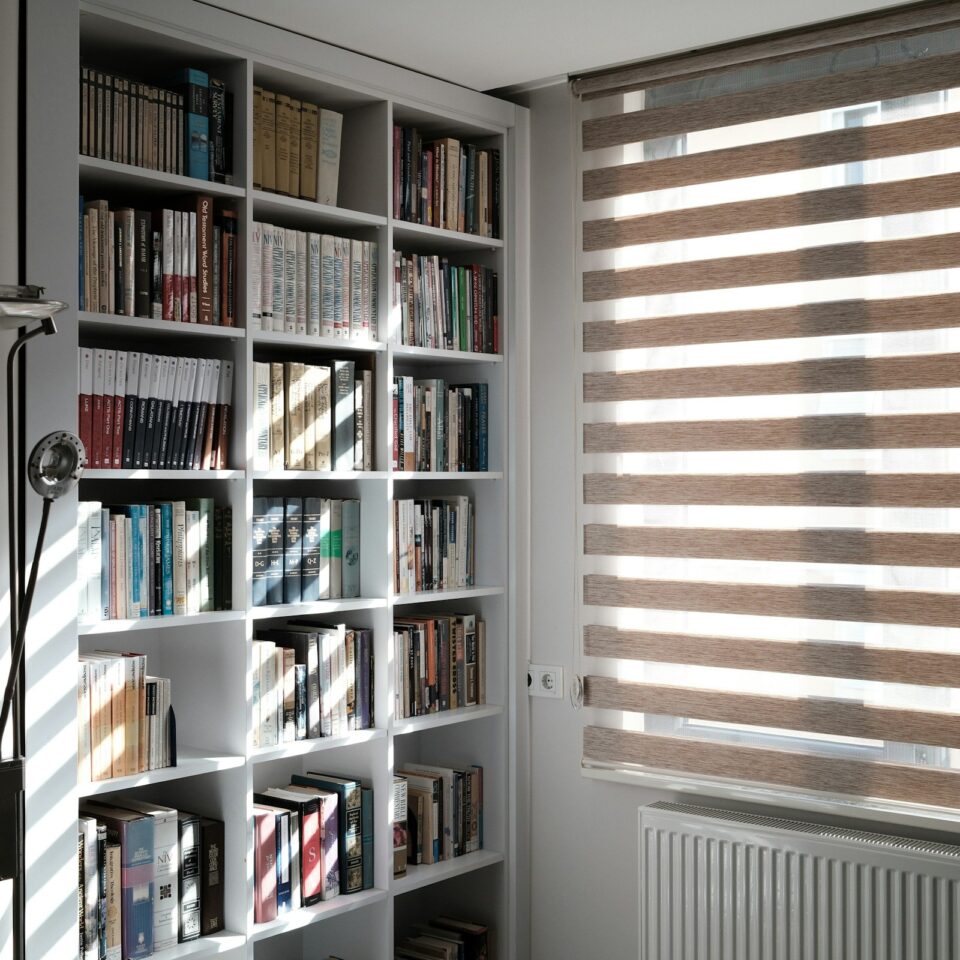
Alternating sheer and solid polyester bands, light-filtering to near-blackout

Solution-dyed acrylic or PVC-coated polyester on aluminium frames