
Fluted panels
Timber, veneer, lacquered MDF, PVC/WPC or stone-look

Wallcoverings
Wainscoting, moulding, timber, slatted and fabric panelling for living rooms, bedrooms, corridors and commercial interiors, fixed for a humid climate.
Wall panelling in Singapore covers several distinct finishes: wainscoting and applied mouldings, solid timber and veneered boards, slats, and fabric or upholstered panels. Each adds depth, protects the wall and changes how a room sounds, but they differ in material, fixing and upkeep. The choice usually turns on three things: the look of the room, how humid and hard-worn the wall is, and whether the space falls under commercial fire rules.
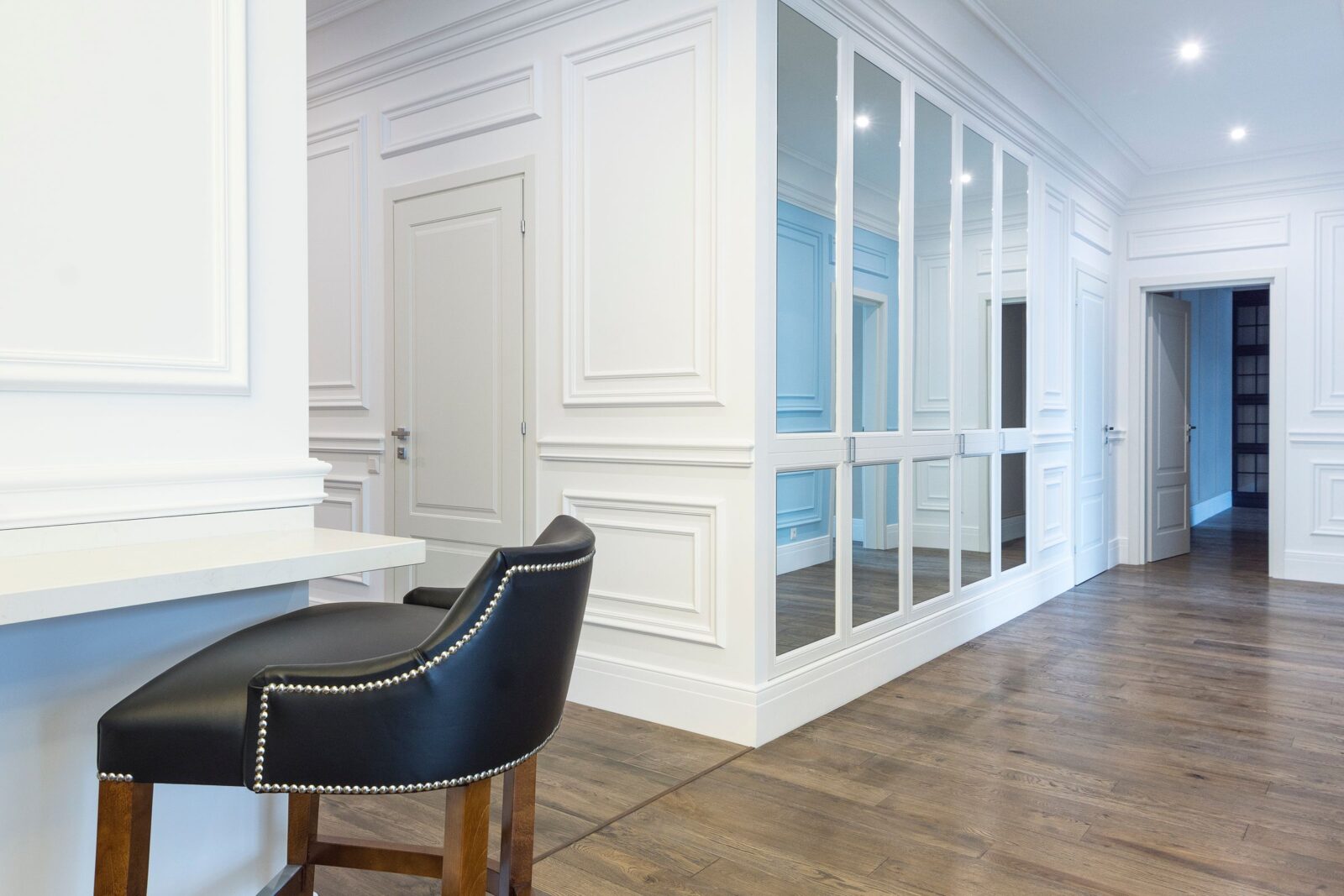
Wainscoting lines the lower part of a wall, typically to dado height, with a cap rail above and a skirting below. Raised and flat panels, beadboard and board and batten are the classic forms. Picture-frame moulding, where profiles are fixed straight onto a painted wall, gives a similar effect at lower cost and can run full height. Mouldings come in timber, MDF and polyurethane. Polyurethane does not swell, is light and takes paint well, which suits humid rooms.
Solid timber boards, veneered panels and slatted battens bring warmth and grain. Veneer on a stable core keeps cost and movement down and can be matched across a long wall. Slats over an acoustic backing soften echo. For grooved profiles, see our page on fluted panels.
Fabric stretched over a frame, or wrapped around a padded core, absorbs sound and feels soft to the touch. It is the usual choice for bedheads, home cinemas, meeting rooms and hotel corridors. Leather and faux leather work the same way. Commercial fabrics are made with tested fire performance and cleaning in mind.
Our guide to wall panelling covers styles and proportions in more depth. This page is about specifying and supplying it.
The Meteorological Service Singapore puts mean relative humidity at around 82%, and it often reaches 100% during prolonged rain. Timber and MDF move with that moisture, and fabric can hold it. Good practice:
Panelling is made and fitted by carpenters, moulding specialists and upholsterers, and lead times depend on the material and how much is made to measure. Simple moulding work is quick. Veneer matching and upholstered panels take longer.
Under the SCDF Fire Code 2023, clause 3.13, wall surfaces are graded from Class 0 to Class 4 by flame spread. Exit staircases and exit passageways need non-combustible or Class 0 finishes. Elsewhere, the class depends on the room, the building and whether it is sprinklered, and healthcare facilities have stricter controls. Timber, MDF and fabric vary widely, and a fire-retardant treatment changes the result, so ask for test certificates for the exact product and finish and confirm with the project’s Qualified Person.
Our supply partner’s 2026 wall panel guide gives these indicative installed figures:
| Panelling | Indicative range (SGD, installed) |
|---|---|
| Wainscoting, polyurethane mouldings | About S$12 to S$25 per sq ft |
| Slatted wood battens | About S$20 to S$50 per sq ft |
| Fabric-wrapped panels | About S$25 to S$60 per sq ft |
| Fluted solid wood panels | About S$40 to S$80 per sq ft |
Curved walls, integrated lighting, veneer matching, uneven walls and premium fabrics push costs higher. Prices vary with size, specification and site conditions, and they are not a Keneki quote.
Dust mouldings and slats with a soft brush. Wipe painted panelling with a damp, well-wrung cloth and keep a little touch-up paint. Oiled timber needs a fresh coat when it looks dry. Vacuum fabric panels with a brush attachment and treat spots with the cleaner the fabric maker recommends.
Keneki designs the panelling and manages the work, and our local partner workrooms, carpenters and upholsterers make and fit it. For other wall finishes, see the wallcoverings guide, or arrange a consultation to review samples on site.
Wainscoting is panelling on the lower part of a wall, usually to dado height. Wall panelling is the wider term and can run full height.
Usually, as it is surface-fixed. Check fixing methods and renovation hours with HDB or your MCST before work starts.
It can on damp walls or in rooms left closed without air-conditioning. Fix it with a ventilation gap and keep the room aired.
Fabric panels and slats over an acoustic backing absorb sound. Painted moulding panelling has little acoustic effect.

Timber, veneer, lacquered MDF, PVC/WPC or stone-look

Printed or hand-painted panels on non-woven, vinyl or textile grounds

Embossed vinyl, textured non-woven, paperweave or fabric-backed textile
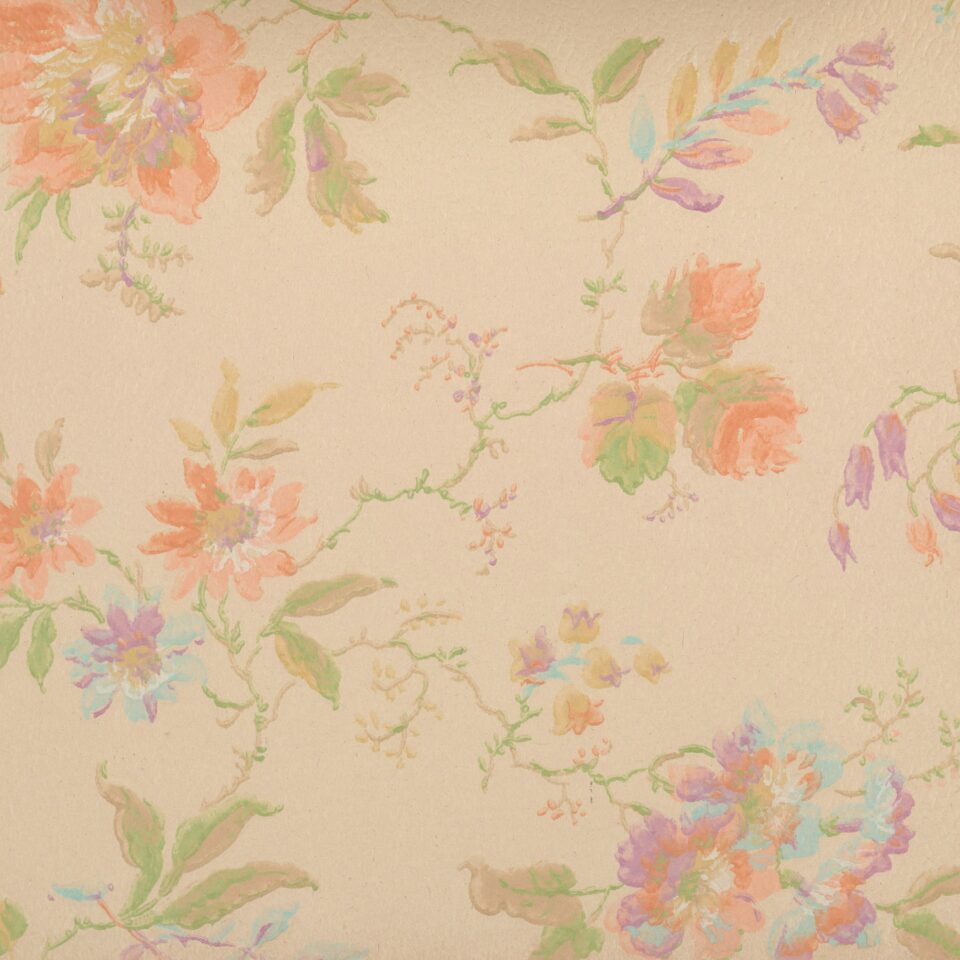
Hand-painted or printed panels on silk, paper or metallic grounds