Hospitality
The luxury hotel bedroom: what makes it work, and how to design one
A luxury hotel bedroom feels calm because of decisions guests never notice. The bed, light, darkness, quiet and materials that make it work.
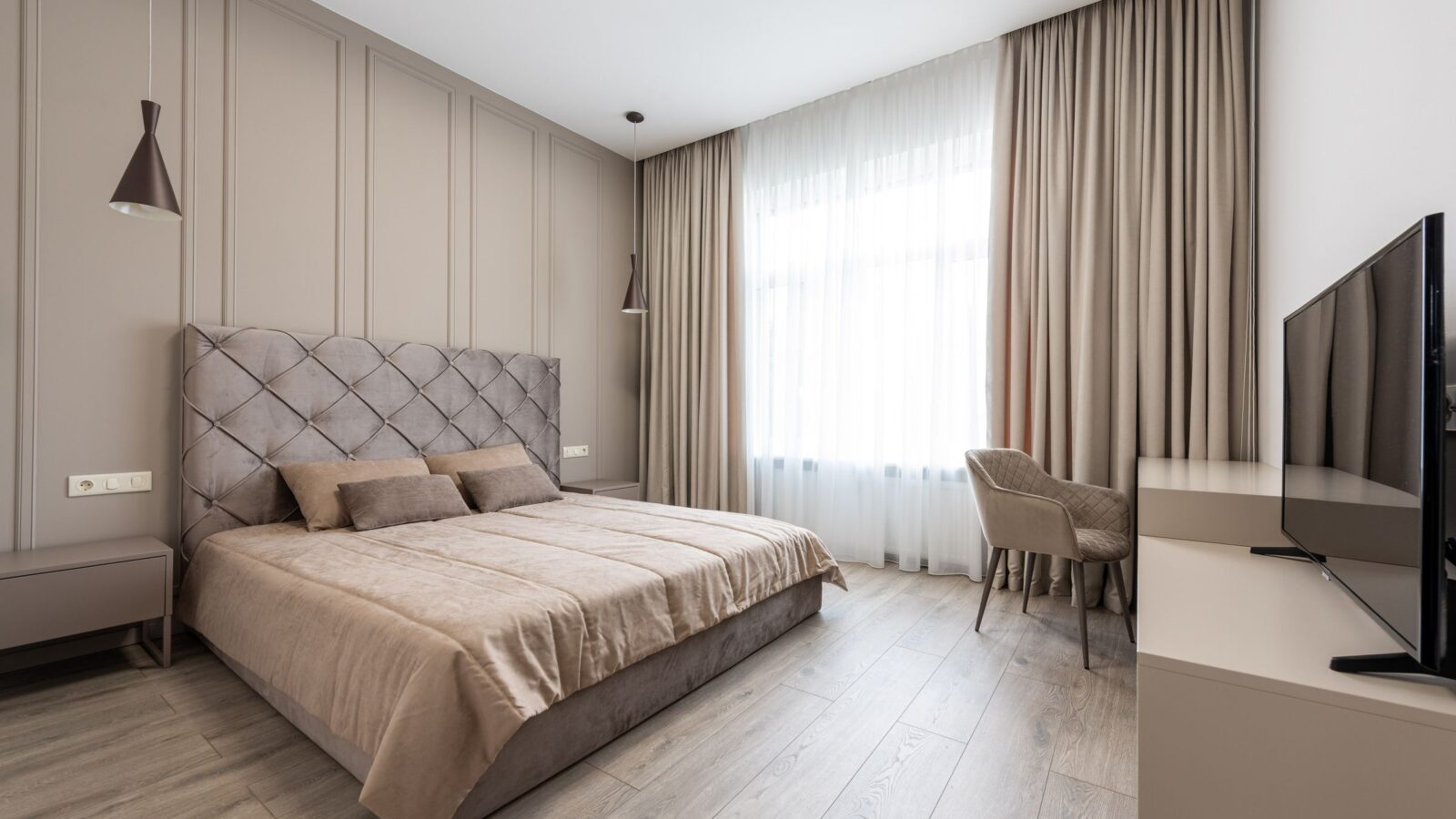
A luxury hotel bedroom feels calm and effortless because of decisions the guest rarely notices: the bed is placed for the view and the door, the room goes truly dark, the corridor stays silent, every switch is where the hand expects it, and the materials feel good to the touch. Luxury in a hotel room is less about ornament than about removing friction. That is why so many people want their own bedroom to feel like one.
This guide sets out the principles behind a luxury hotel room, for hotel and serviced apartment operators planning rooms, and for homeowners who want to bring the same calm into a master bedroom.
Planning a luxury hotel bedroom
Good rooms start with the plan, before any finish is chosen.
- Bed wall. The bed faces the view or the window where possible, with its head against a solid wall that does not back onto a lift, bathroom or service riser.
- Circulation. A clear route from the door to the bed, the bathroom and the window. Generous clearance on both sides of the bed, so two guests can move without stepping around each other.
- Zones. Sleep, lounge or work, dress and bathe. In a smaller room, these overlap, but each should feel deliberate.
- The entry. A short lobby between the door and the room protects privacy and buffers corridor noise. It is the natural place for wardrobe, luggage and minibar.
Our journal guide to hotel room design goes further into clearances and planning.
The bed
The bed is the reason the room exists. In a luxury room hotel guests remember, it has:
- Generous size. King beds are common in premium rooms; twin rooms often use two large singles that can be joined.
- A good mattress and topper. Many hotels use a firm, supportive mattress with a soft removable topper, which can be replaced more often.
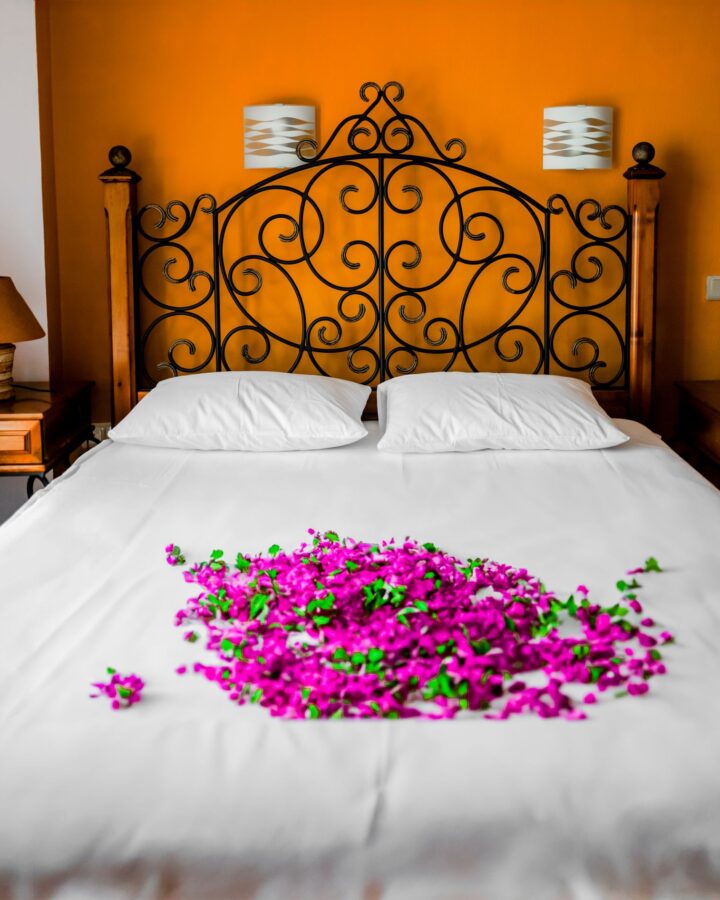
- A tall, upholstered headboard. It makes sitting up comfortable, absorbs sound and anchors the room visually. Our guide to the bed headboard covers proportions.
- Quality linen. Crisp white percale or soft sateen in good cotton, layered with a duvet, a light throw and a choice of pillows.
- Bedside surfaces large enough for a glass, a phone, a book and glasses, with a drawer.
Darkness and light
Darkness
A luxury hotel room goes completely dark at the touch of a button. That means blackout curtains on a ceiling track, with the fabric extending beyond the window on each side and returning to the wall, plus a pelmet or recessed pocket at the top so no light leaks over the track. A sheer layer on a second track softens daylight. Motorised curtains are now common in premium rooms; our blackout curtains page explains linings and fit.
Lighting layers
- Ambient. Soft, indirect light from coves, wall washers or concealed linear fittings, rather than a grid of downlights.
- Task. Adjustable reading lights at the bed, angled so one guest can read while the other sleeps. A good light at the desk and mirror.
- Accent. Lamps and wall lights that give warmth and a sense of home.
- Night. Low-level lighting along the route to the bathroom, often triggered by movement.
Warm colour temperatures and dimming are standard. The best rooms have a few simple scenes, such as all on, relax and night, and a master switch by the bed.
Quiet
Noise is one of the most common complaints about hotel rooms. A quiet room depends on:
- Walls between rooms built to a good sound insulation standard, with sealed penetrations and staggered sockets.
- Doors with acoustic seals and drop-down threshold seals.
- Windows with good acoustic glazing where the room faces roads or nightlife.
- Quiet air conditioning, with fan coil units selected and placed for low noise.
- Soft finishes: carpet or rugs, upholstered headboards, curtains and acoustic panels behind decorative finishes.
Our acoustics studio works on these details alongside the interior design.
Materials and palette
A luxury room uses a restrained palette with tactile materials. Common choices:
| Element | Material choices | Why |
|---|---|---|
| Floor | Wool carpet, wool rugs on timber | Warmth, quiet, softness underfoot |
| Bed wall | Upholstered panels, timber veneer, fabric wallcovering | Texture, acoustics, a focal point |
| Other walls | Paint, textured or grasscloth-style wallcoverings | Calm, durable backdrop |
| Joinery | Timber veneer, lacquer, leather pulls | Touch and craft at points of contact |
| Window | Sheer plus blackout curtains | Light control and softness |
Hotels choose contract-rated materials: fabrics with high rub counts and fire ratings, wallcoverings that can be cleaned, and carpets built for heavy traffic. Fire safety requirements for hotel finishes are set by the authorities, and SCDF requirements apply in Singapore; designers should confirm compliance with a qualified professional for each project.
Storage and the small things
- A wardrobe with full-length hanging, a few shelves, a safe and a luggage rack nearby.
- Somewhere obvious to put a suitcase open, at a comfortable height.
- Charging points at both bedsides and the desk, with sockets that do not need furniture moved.
- Hooks by the door and in the bathroom.
- A full-length mirror with good light.
- A comfortable chair by the window, with a small table.
These details cost little and change how a stay feels.
Bringing a hotel luxury room home
Homeowners can borrow many of these principles for a master bedroom:
- Declutter the bed wall and invest in a tall, upholstered headboard.
- Fit blackout and sheer curtains on a ceiling track, with returns and a pelmet.
- Layer lighting with bedside reading lights, warm lamps and a dimmable ambient source.
- Add a rug large enough to step onto from both sides of the bed.
- Hide storage behind flush wardrobe doors and keep surfaces clear.
- Improve quiet with better door seals and soft finishes.
Our master bedroom guide covers the residential side in more detail.
The bathroom connection
In most luxury rooms, the bathroom is part of the bedroom experience. How the two connect shapes the whole stay.
- Separation and openness. Some rooms open the bathroom to the bedroom with glass or a sliding screen, borrowing light and views. Others keep it fully enclosed. Couples and colleagues sharing a room value privacy, so a screen or curtain that can close fully is a sensible middle ground.
- Light spill. Bathroom lighting should not wake a sleeping guest. A low night light and a door or screen that blocks light both help.
- Sound and smell. A solid door with seals and good extraction keep the bathroom from intruding on the bedroom.
- Shared materials. Carrying one stone, timber or colour from the bedroom into the bathroom makes the suite feel considered.
In Singapore, where humidity is high, extraction and air conditioning must be planned so bathroom moisture does not migrate into upholstered and carpeted bedroom finishes.
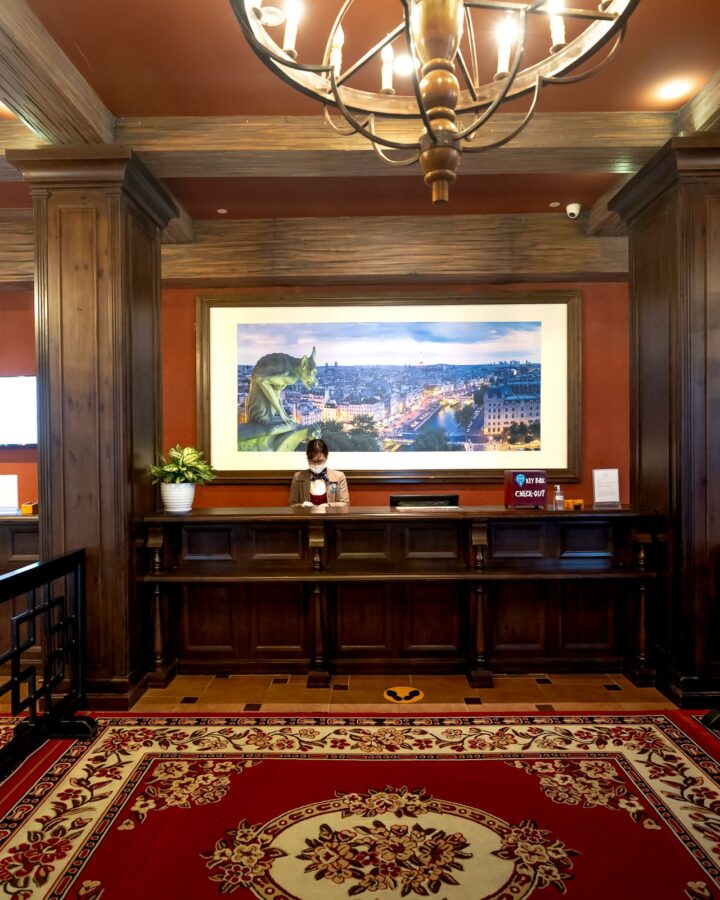
Related reading: Designing a romantic luxury hotel room and Hotel reception counter design.
Frequently asked questions
What makes a luxury hotel bedroom feel luxurious?
A great bed, total darkness when wanted, quiet, layered warm lighting, tactile materials and thoughtful storage. Most of it is about comfort and ease rather than decoration.
How do hotels make rooms so dark?
With blackout curtains on ceiling tracks, wide returns to the wall, overlapping centre panels and pelmets or pockets above the track so light cannot escape around the edges.
Can I make my bedroom feel like a luxury hotel room?
Yes. Focus on the bed and headboard, blackout curtains, warm dimmable lighting, a large rug and clear surfaces. Hidden storage keeps the room calm.
What colours do luxury hotel rooms use?
Mostly restrained, warm neutrals with one or two deeper accents, so that texture and light do the work.
Whether you operate a hotel or want a bedroom that feels like one, our hospitality studio can help. Arrange a consultation to discuss your rooms.